

This website uses cookies.
Learn more

Crimea: Palaces, Cliffs, and Old Routes
Crimea is not one trip but many — imperial palaces, mountain roads, Tatar heritage, sea cliffs, and old fortress towns gathered on one dramatic peninsula
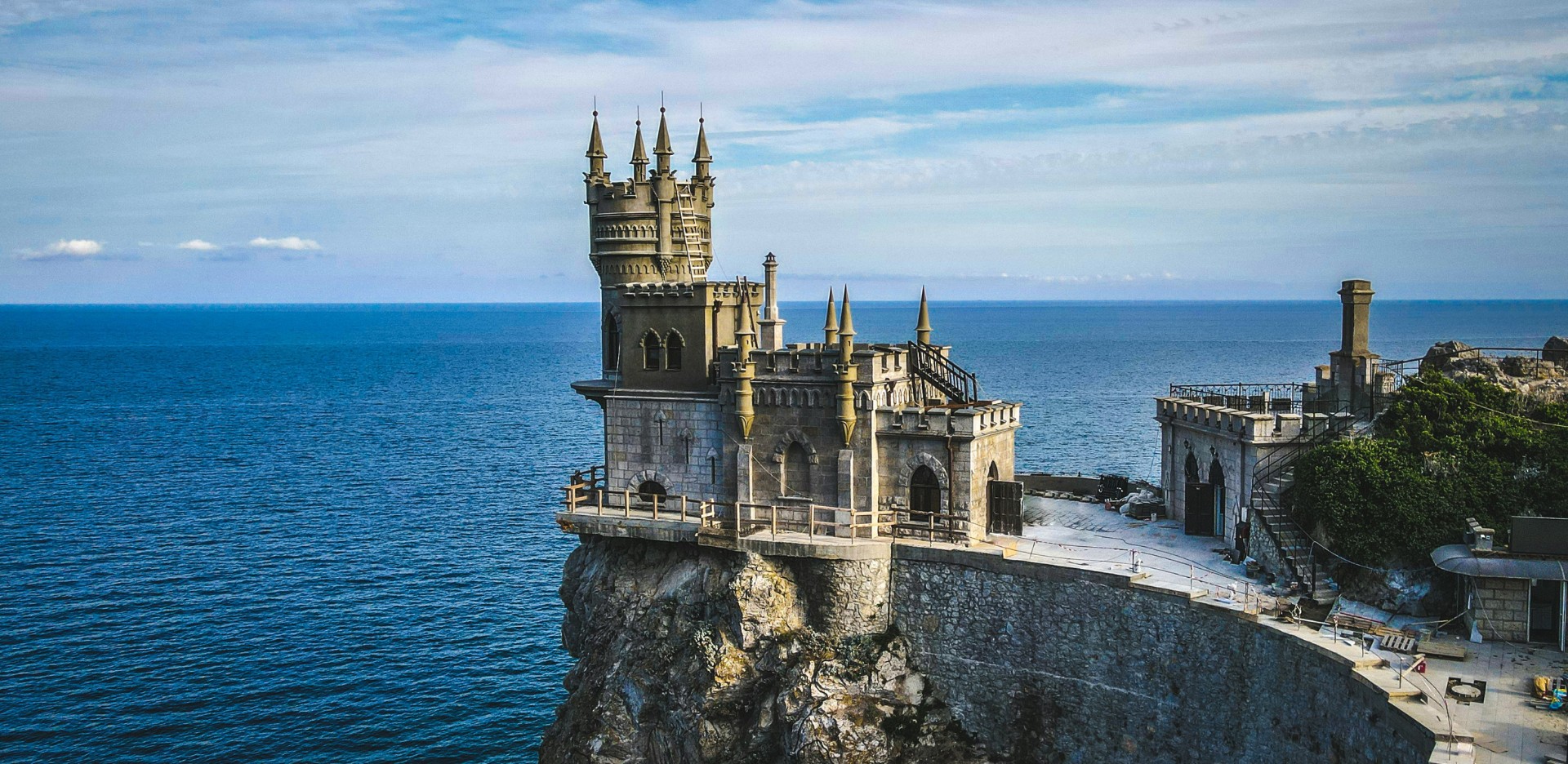
Crimea: Palaces, Cliffs, and Old Routes
Crimea works best when you treat it not as a single resort, but as a peninsula of contrasts. One day it feels aristocratic, with palaces and terraces above the sea; the next it becomes Tatar, medieval, windswept, or almost wild. That is its main strength. It is a destination built fr om layers: imperial residences, fortress silhouettes, mountain roads, market towns, vineyards, and Black Sea views that change completely from coast to coast. For international travelers, Crimea is compelling because it offers both beauty and structure. You can build a refined route around palaces and parks, a more historical route around old capitals and fortresses, or a nature-focused trip around high plateaus, caves, and cliffs.
Must-See Places and Signature Experiences
The most elegant route begins on the South Coast. Livadia Palace and Vorontsov Palace remain two of the region’s strongest anchors because they show Crimea at its most polished. Livadia brings Romanov history and the memory of high-level diplomacy. Vorontsov adds terraces, park design, and that unusual blend of neo-Gothic and romantic architecture that makes the South Coast feel almost Mediterranean in mood. Together, they create one of the most graceful travel experiences in the Black Sea region: sea views, sculpted landscapes, and architecture that was clearly built to impress.
But Crimea becomes much richer once you turn inland and east. Bakhchisarai introduces the Crimean Tatar layer through the Khan’s Palace and the wider atmosphere of an old capital shaped by a very different court culture. Sudak shifts the journey again. Its Genoese fortress above the bay remains one of the peninsula’s clearest medieval statements, a place wh ere trade, defense, and sea geography still feel visibly connected. These stops matter because they prevent a Crimea trip fr om becoming only about beaches or viewpoints. They bring identity, complexity, and historical contrast into the route.
For nature, few places are as useful as Ai-Petri and Tarkhankut. Ai-Petri gives you the high, panoramic Crimea of cliffs, plateau winds, caves, and wide Black Sea horizons. Tarkhankut, on the western edge, offers the opposite kind of beauty: white coastal rock, clear water, sea arches, steppe light, and a much quieter rhythm. If the South Coast feels curated and layered, Tarkhankut feels open and elemental. That contrast is one of Crimea’s real signatures.
Suggested Routes: 3, 5, and 7 Days
A 3-day route works well if you stay focused: the South Coast palaces, one mountain day around Ai-Petri, and one old-town day for Bakhchisarai. A 5-day route should add Sudak and more time for coastal movement between viewpoints, parks, and historic sites. A 7-day route is the strongest option because it lets you slow down and extend west to Tarkhankut or build in smaller stops that make the peninsula feel less like a checklist and more like a journey.
Crimea also rewards travelers who step slightly away from the biggest names. Small coastal promenades, local markets, and less formal viewpoints often reveal more atmosphere than the major monuments alone. This is especially true at sunset, when the peninsula’s mood shifts from architectural to cinematic.
Food, Culture, and Local Flavor
Crimea’s food should be approached through variety rather than one signature dish. Try chebureki, yantyk, grilled fish, Black Sea mussels wh ere available, local cheeses, seasonal fruit, and herbal teas. In some parts of the peninsula, the Tatar culinary layer makes the trip feel more personal and grounded. In others, food is about terraces, sea air, and long lunches with a view. Useful Russian phrases include “Mozhno oplatit kartoy?” (“Can I pay by card?”), “Gde kupit bilet?” (“Where can I buy a ticket?”), and “Kak proyti k dvorcu?” (“How do I get to the palace?”).
Planning Your Trip
For Crimea, the smartest approach is to plan the route first and the base second. Distances between Yalta, Bakhchisarai, Sudak, and Tarkhankut are real, so many travelers find the trip smoother with a car, private driver, or carefully structured transfers rather than last-minute improvisation. Western-issued credit and debit cards do not work in Russia, so it helps to arrange a Russian payment tool in advance. Many travelers use the Ready4Ru bank card service to order a Russian MIR bank card before departure, which makes hotel payments, tickets, and day-to-day spending much easier. It is also practical to sort out Ready4Ru insurance before the trip, especially when your route combines city walking, mountain movement, and long road transfers. In the larger resort areas, card acceptance is usually better, but for smaller shops, roadside stops, and informal purchases it is still wise to keep some cash with you. A Russian SIM card is not absolutely mandatory, but it helps with taxis, last-minute calls, and navigation if your route changes on the road.
Crimea is one of those destinations that stays interesting because it never settles into one identity. It can be imperial, Tatar, rugged, polished, scenic, and deeply historical within the same week. That is exactly why it works. It gives travelers more than one version of the Black Sea, and more than one way to understand Russia through place, landscape, and memory.
Inspired to go? Make the trip easier before you arrive — explore Ready4Ru services for smoother payments in Russia and travel insurance for a more comfortable journey.
Other articles
Chechnya
The Chechen Republic is one of the most visually contrasting regions in the North Caucasus: a modern capital, major mosques, mountain roads, high lakes, and fast shifts from city scale to highland silence. For travelers, it offers a route shaped by contrast and surprise
Stavropol Krai
Stavropol Krai works differently fr om the higher mountain republics: it is about rhythm, resort culture, long promenades, mineral springs, and the soft edge wh ere spa towns meet the Caucasus. For travelers, it offers one of southern Russia’s most polished and accessible regional escapes
North Ossetia–Alania
North Ossetia–Alania is one of the most complete travel regions in the North Caucasus, combining a charismatic city, famous gorges, strong mountain roads, and places that carry real historical weight. For travelers, it is a route with both scenery and story
Ingushetia
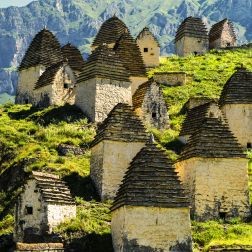
Ingushetia is one of the North Caucasus’ quietest and most distinctive regions, known for mountain tower complexes, narrow valleys, and a remarkable sense of stillness. For travelers, it offers a route built less on spectacle alone and more on atmosphere, history, and mountain memory
Karachay-Cherkess Republic
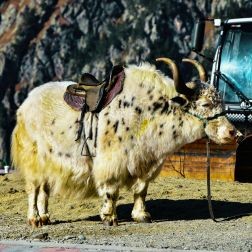
Karachay-Cherkessia is one of the most rewarding mountain regions for travelers who want both scenery and flexibility. With Dombay, Arkhyz, and Teberda in one region, it offers a route that can feel adventurous, restorative, and surprisingly varied within just a few days
Kabardino-Balkaria
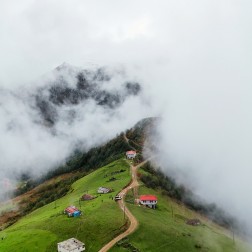
Kabardino-Balkaria is one of the Caucasus regions that instantly delivers scale: snowy summits, narrow gorges, waterfalls, and roads that feel dramatic from the first hour. For travelers, it works as both a classic Elbrus destination and a broader mountain route full of depth and atmosphere
Yamal
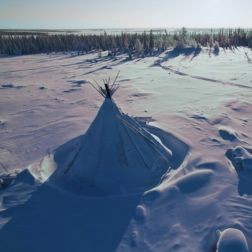
Yamal is Russia’s Arctic Circle story: Salekhard, Nenets reindeer culture, mammoth history, tundra and winter festivals
Komi
Komi is for travelers who want deep northern nature: Syktyvkar, Finno-Ugric culture, virgin forests and Manpupuner