

This website uses cookies.
Learn more

Chukotka Autonomous Okrug: Arctic Route
Wrangel Island is one of Russia’s most extraordinary Arctic destinations, where tundra, sea horizons, and wildlife create a journey defined by scale, silence, and remoteness. For travelers, it offers a rare chance to experience the Russian North in its wildest and most memorable form
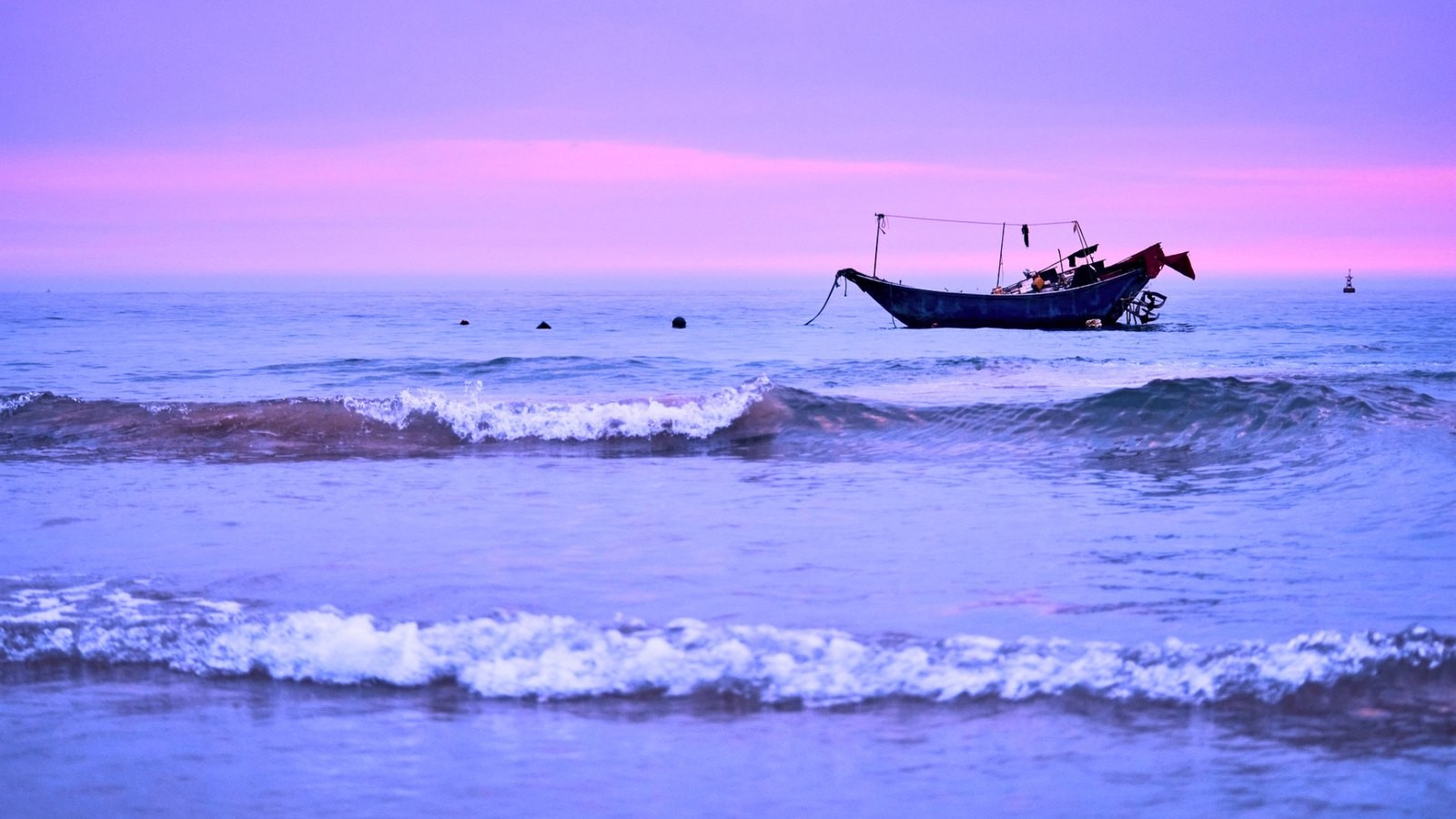
Chukotka Autonomous Okrug: Where to Go, What to See, and Why It Is One of Russia’s Most Powerful Arctic Routes
Chukotka Autonomous Okrug is not a destination for casual tourism or quick weekend sightseeing. It is the kind of region people choose when they want to feel the edge of the map in a very real way. Here, Russia becomes Arctic, oceanic, and almost mythic: the landscapes are open and severe, the settlements feel remote and self-contained, and the journey itself becomes the central part of the experience. For a travel blog, Chukotka is one of the strongest regional themes in Russia because it combines remoteness, visual drama, indigenous culture, and a true sense of expedition.Why Chukotka deserves a place in a Russia itinerary
For international travelers, Chukotka reveals a side of Russia that is radically different fr om the capitals and classical tourist routes. This is a region of the Bering Sea, Arctic tundra, marine wildlife, northern light, and routes shaped by weather and distance. It works especially well for readers who are looking for something rare: not a polished city break, but a journey defined by space, silence, and extreme geography. Official travel information for the region presents Anadyr as the main transport hub and emphasizes that travel deeper into Chukotka often continues fr om there by local flights, boats, or expedition logistics. That alone tells travelers what kind of destination this is: less spontaneous, more deliberate, and far more memorable.
What to see in Chukotka
If this is your first time exploring the region, it is best to build the article around several anchor points.
Start with Anadyr. It is the natural gateway to Chukotka and the first place wh ere the region’s atmosphere becomes tangible. Anadyr is compact, windswept, and unlike any major Russian city. It gives travelers an entry point into local history, Arctic scale, and the distinctive pace of life in the far northeast.
The second major symbol is Wrangel Island. UNESCO describes the Natural System of Wrangel Island Reserve as a site well above the Arctic Circle that includes Wrangel Island, Herald Island, and surrounding waters. UNESCO also notes its exceptional biodiversity, the world’s largest Pacific walrus population, and very high density of ancestral polar bear dens. Even when travelers do not physically include Wrangel Island in a short route, it strongly shapes the image of Chukotka as one of the wildest and most ecologically significant parts of Russia.
Another powerful highlight is Whale Bone Alley on Yttygran Island. Arctic Russia’s tourism portal describes it as one of the most impressive and mysterious sights in Chukotka: a monument of ancient Eskimo culture wh ere rows of massive bowhead whale bones stretch along the shore. This is exactly the kind of landmark that gives the region depth beyond scenery alone. Chukotka is not only about tundra and coastlines; it is also about human adaptation, ritual landscapes, and indigenous memory.
Cape Dezhnev, the eastern edge of the Eurasian mainland, is another route-defining point often associated with expedition-style travel in the region. Along with coastal villages, sea passages, whale watching areas, and tundra routes, it helps create the feeling that Chukotka is not one destination but an entire Arctic world.
When to go
The most practical season for a first trip is the warmer part of the year, when logistics are easier and expedition routes become more realistic. Summer and early autumn generally work best for broad travel planning, especially if the route includes coastal movement, wildlife observation, or remote settlements. This is also the period when an article about Chukotka feels easiest to translate into an actual journey.
Winter, however, creates a different kind of attraction. It is visually powerful, strongly atmospheric, and ideal for readers fascinated by polar conditions, snowbound landscapes, and the possibility of northern lights. But winter travel in Chukotka is not a light version of summer tourism. It requires much tighter planning, greater flexibility, and a much stronger tolerance for weather-related uncertainty.
What to plan in advance
Chukotka is one of the clearest examples in Russia of why logistics matter as much as inspiration. The official Beringia National Park travel guidance states that travelers reach Chukotka by air, with Anadyr as the main transport hub, and then continue to other parts of the region by local air connections or route-specific transport. In practice, that means the journey should be planned as a route, not improvised day by day.
For international travelers, practical services matter too. Before departure, it helps to arrange the essentials for everyday expenses and travel protection inside Russia. In a Ready4Ru article, this can be integrated naturally: readers can prepare a bank card for travel in Russia through Ready4Ru, and choose travel insurance before the trip. For a region where transport windows, long distances, and weather shape the whole experience, these basics matter more than usual.
Who this trip is for
Chukotka is best for travelers who want an experience rather than a checklist. It suits expedition-minded readers, independent travelers with a strong sense of curiosity, couples who value unusual routes, photographers, and anyone who wants to see Russia in its boldest, least familiar form. It is not the easiest starting point for a first visit to the country, but that is exactly why it has such a strong editorial pull.
If a traveler wants dense infrastructure, predictable sightseeing, and easy movement between landmarks, it is usually better to begin with Moscow, St. Petersburg, or one of the more accessible natural regions. But if the goal is to see Russia as an Arctic frontier shaped by ocean, tundra, wildlife, and indigenous history, Chukotka stands almost alone.
Chukotka Autonomous Okrug is not a destination built around one postcard. It is a route of distance, weather, water, and cultural depth. Anadyr, Wrangel Island, Whale Bone Alley, and the idea of the eastern edge of Eurasia all work together to create one of the most unusual travel stories in Russia. For the Ready4Ru blog, this is exactly the kind of subject that combines aspiration, visual power, and practical value for international readers planning something far beyond the standard map.
Other articles
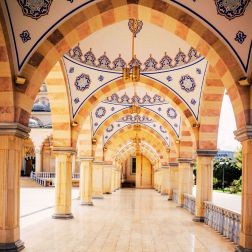
Chechnya
The Chechen Republic is one of the most visually contrasting regions in the North Caucasus: a modern capital, major mosques, mountain roads, high lakes, and fast shifts from city scale to highland silence. For travelers, it offers a route shaped by contrast and surprise
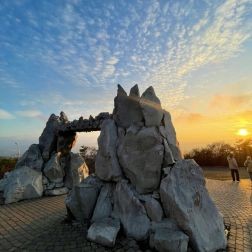
Stavropol Krai
Stavropol Krai works differently fr om the higher mountain republics: it is about rhythm, resort culture, long promenades, mineral springs, and the soft edge wh ere spa towns meet the Caucasus. For travelers, it offers one of southern Russia’s most polished and accessible regional escapes
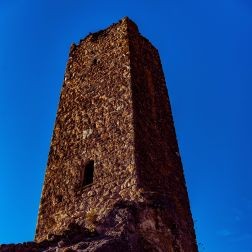
North Ossetia–Alania
North Ossetia–Alania is one of the most complete travel regions in the North Caucasus, combining a charismatic city, famous gorges, strong mountain roads, and places that carry real historical weight. For travelers, it is a route with both scenery and story
Ingushetia
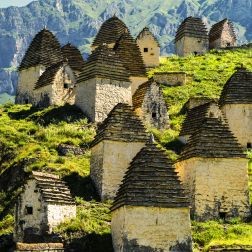
Ingushetia is one of the North Caucasus’ quietest and most distinctive regions, known for mountain tower complexes, narrow valleys, and a remarkable sense of stillness. For travelers, it offers a route built less on spectacle alone and more on atmosphere, history, and mountain memory
Karachay-Cherkess Republic
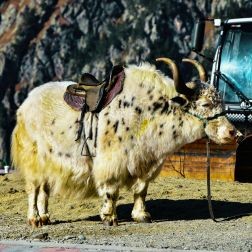
Karachay-Cherkessia is one of the most rewarding mountain regions for travelers who want both scenery and flexibility. With Dombay, Arkhyz, and Teberda in one region, it offers a route that can feel adventurous, restorative, and surprisingly varied within just a few days
Kabardino-Balkaria
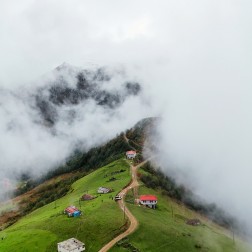
Kabardino-Balkaria is one of the Caucasus regions that instantly delivers scale: snowy summits, narrow gorges, waterfalls, and roads that feel dramatic from the first hour. For travelers, it works as both a classic Elbrus destination and a broader mountain route full of depth and atmosphere
Yamal
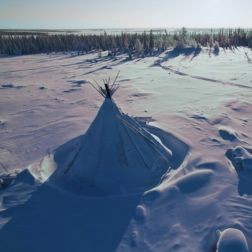
Yamal is Russia’s Arctic Circle story: Salekhard, Nenets reindeer culture, mammoth history, tundra and winter festivals
Komi
Komi is for travelers who want deep northern nature: Syktyvkar, Finno-Ugric culture, virgin forests and Manpupuner