

This website uses cookies.
Learn more

Chelyabinsk: Meteorite, Lakes and South Urals
From the famous meteorite to Taganay, Zyuratkul, Turgoyak and Arkaim, Chelyabinsk opens one of Russia’s most dramatic Ural routes
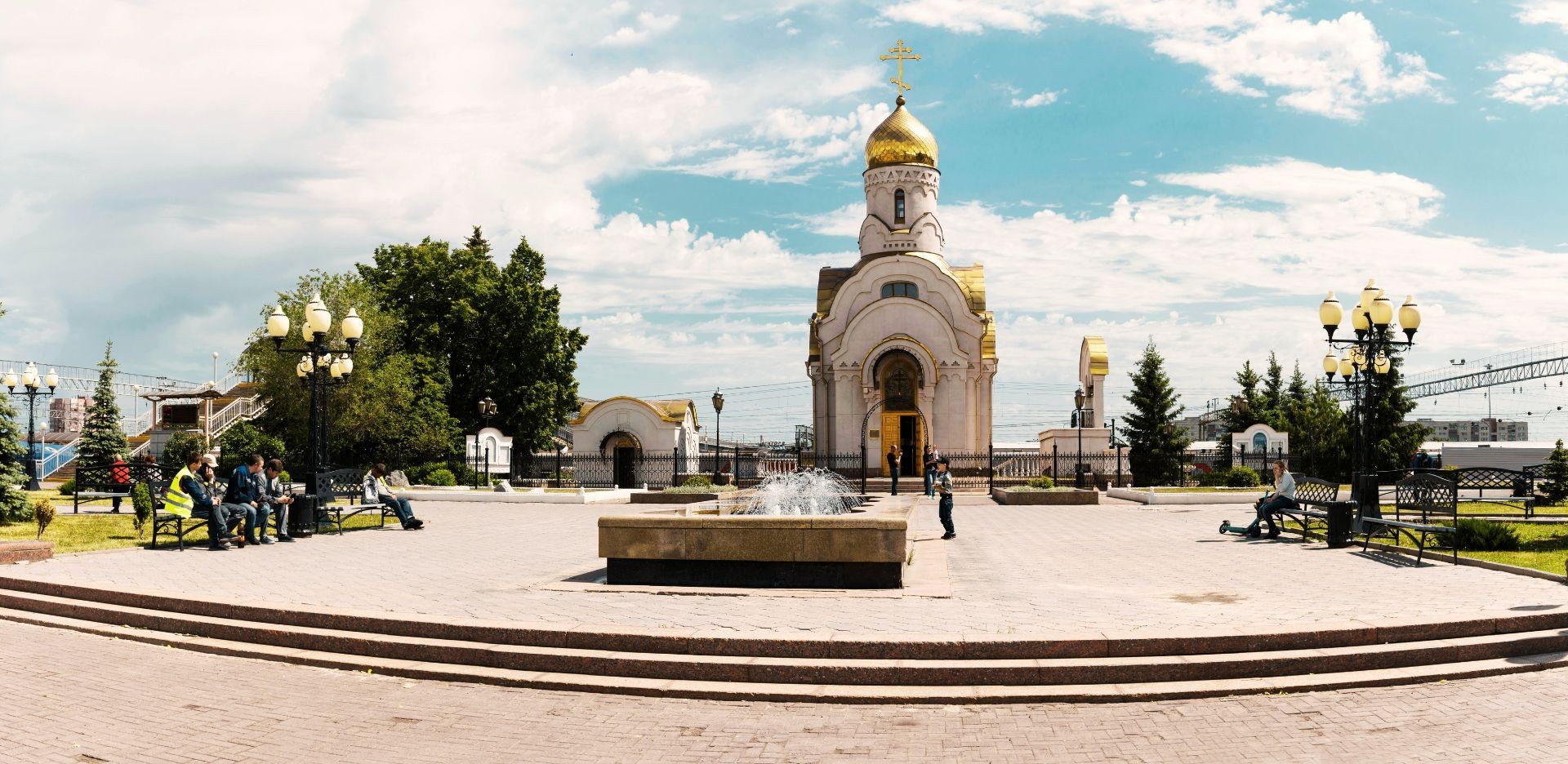
Chelyabinsk: Meteorite, Lakes and South Urals
Chelyabinsk is often introduced through industry or the 2013 meteorite, but the real travel story is wider. The city is a practical gateway to the South Urals, with access to mountain parks, clear lakes, ancient archaeological sites and dramatic landscapes. For international travelers, Chelyabinsk works best when it is not treated as one city only. It should be the base for a route: urban history, meteorite memory, Kirovka pedestrian street, then Taganay, Zyuratkul, Turgoyak, Miass or Arkaim. The contrast between heavy industry and beautiful nature is exactly what makes the region strong.Inspiration & Must-See Places
Start in central Chelyabinsk with Kirovka pedestrian street, Revolution Square, local museums and the meteorite story. The Chelyabinsk meteorite made the city known worldwide, and museum exhibits connected with it give visitors an immediate narrative. The city itself is not as polished as tourist capitals, but it has energy, large avenues, Soviet and modern layers, and a direct Ural character.
The real expansion begins outside the city. Taganay National Park near Zlatoust is one of the most famous natural routes in the South Urals, with rocks, ridges, forest trails and mountain views. Zyuratkul National Park adds a highland lake, ridges and a colder, cleaner mountain mood. Lake Turgoyak near Miass is often called one of the region’s most beautiful lakes, with clear water and a resort-like atmosphere in season. Arkaim gives the route a completely different dimension: archaeology, Bronze Age settlement history and steppe landscape.
For travelers who like unusual visuals, the Kyshtym kaolin quarry, often nicknamed “Ural Bali,” can be attractive, though it should be visited responsibly and with realistic expectations. Chelyabinsk Region is strongest when city, mountains, lakes and ancient sites are combined.
3/5/7-Day Routes
- 3 days: day one in Chelyabinsk for Kirovka, museums and the meteorite story. Day two in Taganay or Zlatoust. Day three at Lake Turgoyak or a lighter nature route near Miass.
- 5 days: add Zyuratkul and more time in the mountain zone. Build the route as Chelyabinsk — Zlatoust/Taganay — Zyuratkul — Miass/Turgoyak — Chelyabinsk. This gives a balanced South Ural experience without too much rushing.
- 7 days: include Arkaim and a steppe extension. A full week can combine Chelyabinsk, Taganay, Zyuratkul, Turgoyak, Miass, Arkaim and one flexible day for weather. This is the best format for visitors who want the region’s full range: urban, mountain, lake and archaeological.
Hidden Gems & Local Experience
Chelyabinsk’s hidden appeal is in its honesty. It is not a decorative city, but it is a real Ural city with strong people, industrial memory and quick access to extraordinary nature. In Zlatoust, look for metalwork, engraving traditions and mountain views. In Miass, leave time for lake walks and local cafés. In the national parks, start early and respect trail rules. The best memories often come fr om simple moments: cold air above a lake, tea after a hike, a sudden view of ridges, or a conversation with a local driver about winter roads. For the blog, this makes Chelyabinsk ideal for a practical but inspiring tone: show the romance of the South Urals, but remind readers that mountains, lakes and archaeological sites need realistic transport planning.
Culture, Food & Traditions
The culture of Chelyabinsk Region is practical, industrial and outdoorsy. Food is hearty: meat dishes, soups, pies, mushrooms, berries, fish and mountain-route picnic food. Zlatoust adds craft traditions, while Arkaim adds archaeological imagination and debates about ancient history. The region also has a strong sports and hiking culture, especially among local travelers. For foreign visitors, this is a good place to see how urban Russia and outdoor Russia exist side by side.
Planning Your Trip
Chelyabinsk routes require careful geography. The city is the entry point, but the best places are spread across the region. Check park rules, trail conditions, transport times and weather. Taganay and Zyuratkul are not casual city parks; even easy routes need proper shoes, water and seasonal planning. Arkaim requires a separate long excursion.
For payments, a Ready4Ru Russian bank card helps with domestic transport, cafés, park-related services, online purchases and everyday travel costs. For hiking, long transfers, winter roads or lake routes, arrange travel insurance for Russia before arrival. Chelyabinsk is a region wh ere preparation directly improves the trip.
Chelyabinsk’s uniqueness is contrast. It is industrial and wild, practical and spectacular, famous for a meteorite but surrounded by places that deserve equal attention. Taganay, Zyuratkul, Turgoyak and Arkaim give the region a range that many travelers do not expect. This makes Chelyabinsk a strong editorial subject: the article can start with the meteorite, but it should lead readers toward mountains, lakes, ancient settlements and the raw beauty of the South Urals.
Best Season & Travel Style
Chelyabinsk Region is strongest fr om late spring to early autumn, when lakes and mountain parks are accessible. Winter can be spectacular for experienced travelers, but trails, roads and temperatures require more discipline. This route suits active visitors, hikers, photographers and anyone interested in the contrast between industry and nature. It is also a good destination for travelers who want a more physical Russia: ridges, forests, cold lakes, long drives and places wh ere weather is part of the story.
Chelyabinsk is much more than an industrial name on the map. It is a South Ural gateway with a world-famous meteorite story, serious nature, ancient archaeology, lakes and mountain parks. For Ready4Ru readers, it is one of the strongest routes for travelers who want active days, dramatic landscapes and a Russia that feels raw, spacious and memorable.
Other articles
Chechnya
The Chechen Republic is one of the most visually contrasting regions in the North Caucasus: a modern capital, major mosques, mountain roads, high lakes, and fast shifts from city scale to highland silence. For travelers, it offers a route shaped by contrast and surprise
Stavropol Krai
Stavropol Krai works differently fr om the higher mountain republics: it is about rhythm, resort culture, long promenades, mineral springs, and the soft edge wh ere spa towns meet the Caucasus. For travelers, it offers one of southern Russia’s most polished and accessible regional escapes
North Ossetia–Alania
North Ossetia–Alania is one of the most complete travel regions in the North Caucasus, combining a charismatic city, famous gorges, strong mountain roads, and places that carry real historical weight. For travelers, it is a route with both scenery and story
Ingushetia
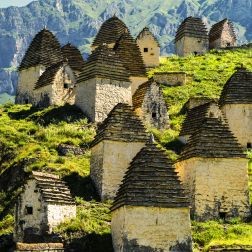
Ingushetia is one of the North Caucasus’ quietest and most distinctive regions, known for mountain tower complexes, narrow valleys, and a remarkable sense of stillness. For travelers, it offers a route built less on spectacle alone and more on atmosphere, history, and mountain memory
Karachay-Cherkess Republic
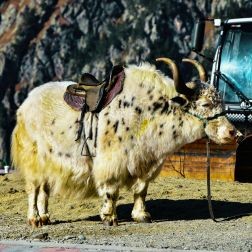
Karachay-Cherkessia is one of the most rewarding mountain regions for travelers who want both scenery and flexibility. With Dombay, Arkhyz, and Teberda in one region, it offers a route that can feel adventurous, restorative, and surprisingly varied within just a few days
Kabardino-Balkaria
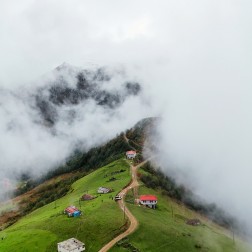
Kabardino-Balkaria is one of the Caucasus regions that instantly delivers scale: snowy summits, narrow gorges, waterfalls, and roads that feel dramatic from the first hour. For travelers, it works as both a classic Elbrus destination and a broader mountain route full of depth and atmosphere
Yamal
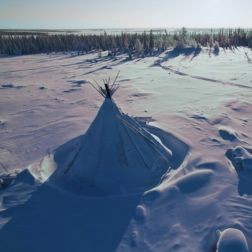
Yamal is Russia’s Arctic Circle story: Salekhard, Nenets reindeer culture, mammoth history, tundra and winter festivals
Komi
Komi is for travelers who want deep northern nature: Syktyvkar, Finno-Ugric culture, virgin forests and Manpupuner