

This website uses cookies.
Learn more

Buryatia
Buryatia opens a different Baikal: Buddhist datsans, steppe roads, warm bays, Buryat cuisine and the eastern shore’s deep calm
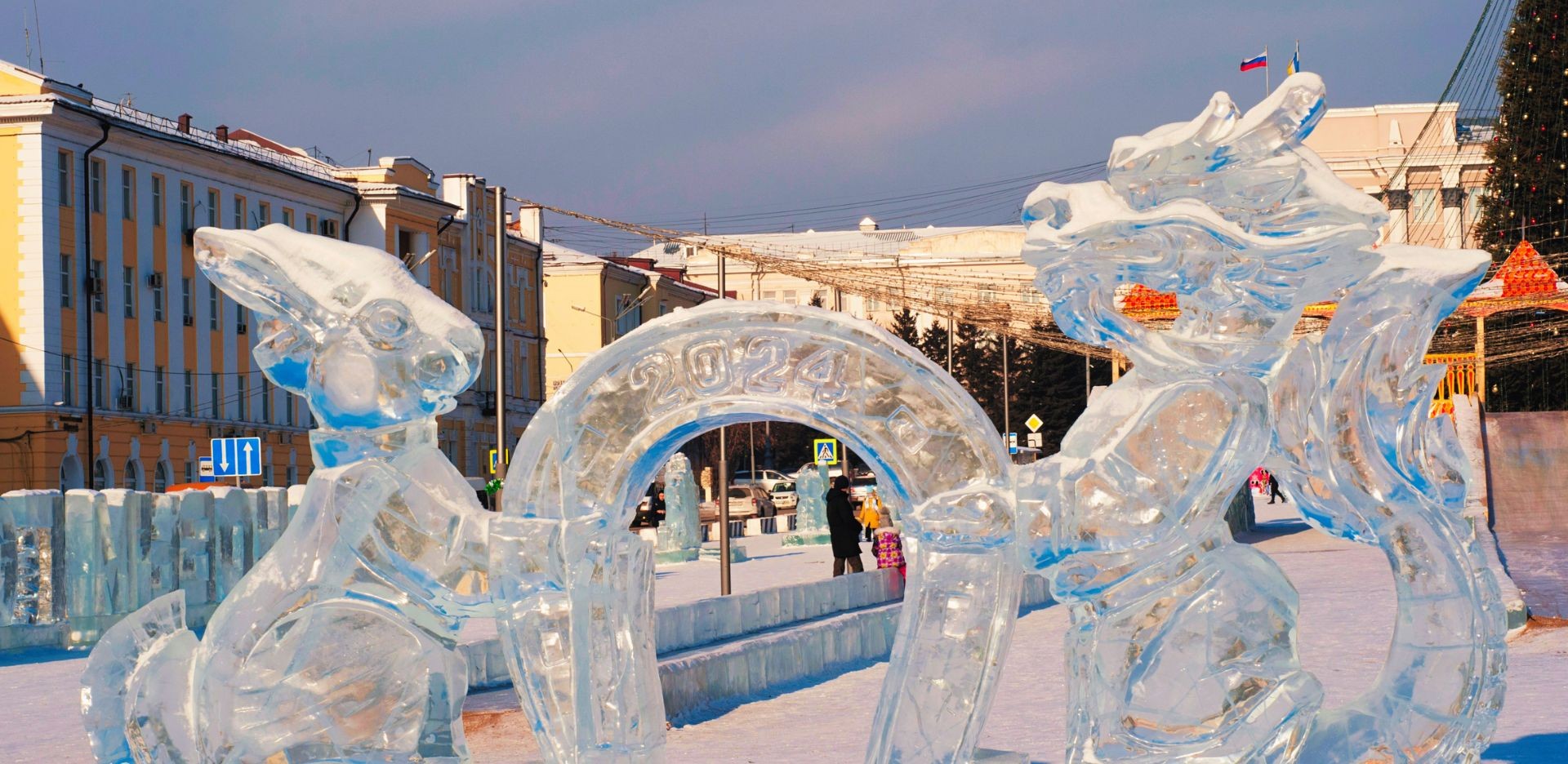
Buryatia: Baikal, Buddhism and Steppe Roads
Buryatia gives Lake Baikal a different voice. Many travelers know the Irkutsk side first, but the eastern shore, reached through Ulan-Ude, offers a richer cultural mix: Buddhist datsans, Buryat cuisine, steppe roads, hot springs, wide bays and a slower relationship with the lake. For international visitors, Buryatia is a powerful destination because it combines nature and culture without forcing them apart. You can visit a Buddhist monastery in the morning, eat buuzy for lunch and stand on the shore of Baikal by evening.
Inspiration & Must-See Places
Ulan-Ude is the capital and the main base. The city is known for its central square, theatre culture, museums, local Arbat-style street and the famous large Lenin head monument, but the deeper reason to stay is cultural orientation. Ivolginsky Datsan, located outside the city, is one of the key Buddhist centers in Russia and should be treated as a spiritual site, not just a photo stop. Travelers should dress and behave respectfully, follow local rules and allow time to walk calmly. The eastern Baikal route opens toward Goryachinsk, Ust-Barguzin, Barguzin Valley, Svyatoy Nos Peninsula and Chivyrkuy Bay depending on time and access. This side of the lake can feel warmer, wider and less crowded than the classic Listvyanka-Olkhon route. Hot springs add a wellness angle, while villages along the shore offer guesthouse stays and local food.
Hidden Gems & Local Experience
The best Buryatia experience is cultural slowness. Try Buryat buuzy dumplings, drink tea, visit a datsan with a guide who can explain etiquette, and take time on the eastern shore without rushing to the next viewpoint. In Ulan-Ude, museums and theatre help create a city day before nature. In the countryside, ask about local legends, steppe routes and family food traditions. A hidden gem is simply the contrast between dry steppe light and the enormous blue surface of Baikal. It makes Buryatia visually distinct fr om the forested Irkutsk side.
Culture, Food & Traditions
Buryat culture is central to the article. Buddhism, shamanic traditions, nomadic memory, horses, steppe routes and family hospitality all shape the travel experience. Food is one of the easiest entry points: buuzy, soups, meat dishes, dairy products, tea and local fish near Baikal. Visitors should understand basic datsan etiquette: move calmly, ask before photographing, and respect prayer spaces. The tone should present Buryatia as a living culture, not a side excursion from Baikal.
3/5/7-day routes
- 3 days: Day 1 — Ulan-Ude city walk, museums and local food. Day 2 — Ivolginsky Datsan and cultural route. Day 3 — day trip toward Lake Baikal, Goryachinsk or a nearby eastern shore point.
- 5 days: add Ust-Barguzin, hot springs and more time on the Baikal shore.
- 7 days: build a complete eastern Baikal route with Ulan-Ude, Ivolginsky Datsan, Barguzin Valley, Svyatoy Nos area, Chivyrkuy Bay and one flexible day. Another option is a cross-Baikal route ending in Irkutsk if seasonal logistics allow.
Best Season and Travel Angle
Buryatia is excellent in summer because the eastern Baikal shore, steppe routes and countryside stays become more accessible. Winter gives a more contemplative version of the region, with datsans, snowy roads and frozen lake scenery, but logistics need more care. For international visitors, Buryatia is a destination wh ere culture should be equal to nature. The article can position it as the best route for travelers who want Baikal plus living Buddhist and Buryat traditions. It is also a good place for slower travel: fewer rushed photo stops, more meals, conversations, monastery visits and long views. This makes it a strong alternative to the more familiar Irkutsk-Olkhon pattern.
Who This Route Is Best For
Buryatia is best for travelers who want Baikal with a stronger cultural dimension. It suits visitors interested in Buddhism, Buryat cuisine, steppe landscapes, hot springs and quieter lake routes. It is also a useful alternative for readers who have already seen the Irkutsk side or want a less standard Baikal plan. In the CMS, the article should cross-link with Baikal and Irkutsk, showing Buryatia as the eastern, more culturally layered gateway to the lake.
Planning Your Trip: Logistics, Money & Safety
Ulan-Ude has rail and air connections and is the best base for the eastern shore. Distances can be long, and some Baikal areas require local transfers or seasonal access checks. Domestic payment tools are useful for hotels, cafes, tours, transport and small services. Ready4Ru’s bank card can support payments inside Russia, while insurance is important for long road routes, outdoor activities and remote lakeside stays. Travelers should bring layers, check road conditions, and treat spiritual sites with care.
Buryatia is one of the most complete destinations in the Siberian series because it gives travelers culture, food, nature and spiritual depth in one route. It is also a reminder that Baikal is not a single story. From Buryatia, the lake feels wider, calmer and more culturally layered.
Other articles
Chechnya
The Chechen Republic is one of the most visually contrasting regions in the North Caucasus: a modern capital, major mosques, mountain roads, high lakes, and fast shifts from city scale to highland silence. For travelers, it offers a route shaped by contrast and surprise
Stavropol Krai
Stavropol Krai works differently fr om the higher mountain republics: it is about rhythm, resort culture, long promenades, mineral springs, and the soft edge wh ere spa towns meet the Caucasus. For travelers, it offers one of southern Russia’s most polished and accessible regional escapes
North Ossetia–Alania
North Ossetia–Alania is one of the most complete travel regions in the North Caucasus, combining a charismatic city, famous gorges, strong mountain roads, and places that carry real historical weight. For travelers, it is a route with both scenery and story
Ingushetia
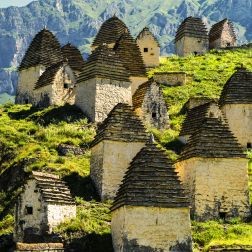
Ingushetia is one of the North Caucasus’ quietest and most distinctive regions, known for mountain tower complexes, narrow valleys, and a remarkable sense of stillness. For travelers, it offers a route built less on spectacle alone and more on atmosphere, history, and mountain memory
Karachay-Cherkess Republic
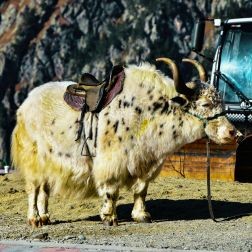
Karachay-Cherkessia is one of the most rewarding mountain regions for travelers who want both scenery and flexibility. With Dombay, Arkhyz, and Teberda in one region, it offers a route that can feel adventurous, restorative, and surprisingly varied within just a few days
Kabardino-Balkaria
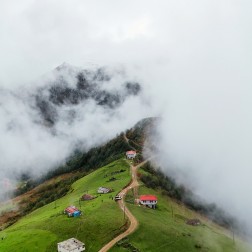
Kabardino-Balkaria is one of the Caucasus regions that instantly delivers scale: snowy summits, narrow gorges, waterfalls, and roads that feel dramatic from the first hour. For travelers, it works as both a classic Elbrus destination and a broader mountain route full of depth and atmosphere
Yamal
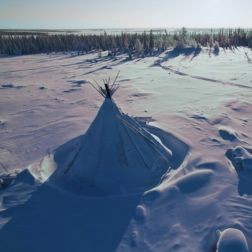
Yamal is Russia’s Arctic Circle story: Salekhard, Nenets reindeer culture, mammoth history, tundra and winter festivals
Komi
Komi is for travelers who want deep northern nature: Syktyvkar, Finno-Ugric culture, virgin forests and Manpupuner