

This website uses cookies.
Learn more

Jewish Autonomous Region Guide
Birobidzhan is not a postcard destination; it is a layered place where history, identity and Far Eastern landscapes meet
Inspiration & Must-See
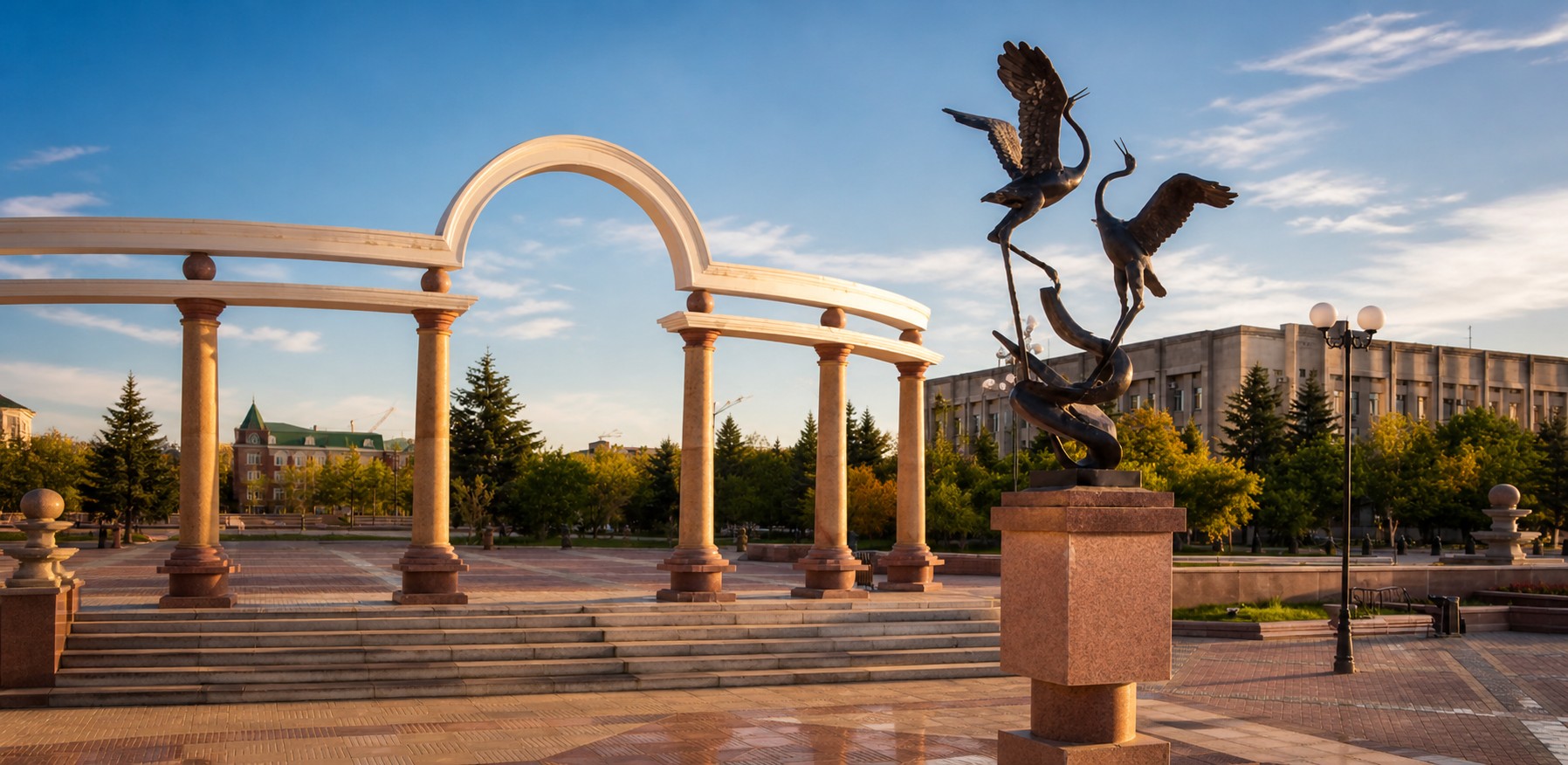
The Jewish Autonomous Region is one of the most distinctive names on the map of Russia. For many travelers, the first surprise is that it exists at all: a Far Eastern region with a Jewish cultural identity, created in the Soviet period and still carrying traces of Yiddish signage, cultural memory and a unique historical experiment. This is not a glossy tourist destination. It is a thoughtful, quiet journey into a complex layer of Russian, Soviet and Jewish history.
Birobidzhan is the center of the route. The city is modest, easy to understand and best explored on foot. The railway station, central streets, local theater, museums and monuments form the basic cultural itinerary. Look for bilingual cultural references, public art and museum displays that explain how the region developed and why this place became symbolically important.
The landscapes around Birobidzhan are Far Eastern in mood: forest edges, wetlands, rivers, low hills and long roads. The region does not compete with Kamchatka or Sakhalin in drama, but it offers something rarer: a quiet sense of place. It works well for travelers who like meaningful small cities, unusual administrative stories and routes that do not feel mass-market.
Because the region is compact, it can be combined with Khabarovsk or a Trans-Siberian-style itinerary. That makes it especially useful for international visitors who want to add one unusual stop without building an entire trip around it.
Hidden Gems & Local Experience
The hidden charm of Birobidzhan is in details: signs, small monuments, local cultural institutions, quiet streets and conversations with people who understand the region’s unusual identity. A slow walk through the center gives more than rushing from object to object.
Outside the city, the experience becomes rural and natural. Forest roads, riverbanks and local settlements show a practical Far Eastern lifestyle. The region is not polished for heavy tourism, so curiosity and flexibility matter.
Culture, Food & Traditions
The cultural story blends Jewish heritage, Soviet planning, Russian provincial life and Far Eastern geography. Food is mostly familiar Russian Far Eastern fare: soups, fish, baked dishes, dumplings, local produce and simple cafes. The most important “taste” of the region is intellectual rather than culinary: understanding how identity, politics and geography met in one remote place.
3/5/7-Day Routes
- 3 days: spend one day in central Birobidzhan, one day on museums and cultural sites, and one day for a light nature or rural excursion. This gives a compact but meaningful introduction.
- 5 days: add a slower regional layer: railway atmosphere, local markets, river or forest viewpoints, and more time for photography and interviews or guided interpretation if available.
- 7 days: combine the Jewish Autonomous Region with Khabarovsk. Use Birobidzhan for cultural depth, then continue to Khabarovsk for a larger Amur River city experience. This creates a balanced Far Eastern route.
Planning Your Trip
This region works best as a thoughtful stop within a wider Far Eastern route. Birobidzhan can be visited independently, but a guide or museum-based interpretation makes the story much richer. Plan around train or road connections, keep expectations realistic, and do not treat the region as a place for fast entertainment. Its value is context, history and atmosphere.
Because smaller cities may have fewer options for foreign payment tools, prepare practical basics in advance. A Ready4Ru bank card helps with local spending inside Russia, while Ready4Ru travel insurance adds a safety layer for medical support and unexpected route changes during a multi-region journey.
Other articles
Chechnya
The Chechen Republic is one of the most visually contrasting regions in the North Caucasus: a modern capital, major mosques, mountain roads, high lakes, and fast shifts from city scale to highland silence. For travelers, it offers a route shaped by contrast and surprise
Stavropol Krai
Stavropol Krai works differently fr om the higher mountain republics: it is about rhythm, resort culture, long promenades, mineral springs, and the soft edge wh ere spa towns meet the Caucasus. For travelers, it offers one of southern Russia’s most polished and accessible regional escapes
North Ossetia–Alania
North Ossetia–Alania is one of the most complete travel regions in the North Caucasus, combining a charismatic city, famous gorges, strong mountain roads, and places that carry real historical weight. For travelers, it is a route with both scenery and story
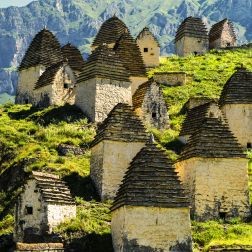
Ingushetia
Ingushetia is one of the North Caucasus’ quietest and most distinctive regions, known for mountain tower complexes, narrow valleys, and a remarkable sense of stillness. For travelers, it offers a route built less on spectacle alone and more on atmosphere, history, and mountain memory
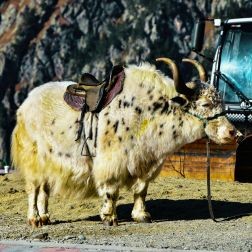
Karachay-Cherkess Republic
Karachay-Cherkessia is one of the most rewarding mountain regions for travelers who want both scenery and flexibility. With Dombay, Arkhyz, and Teberda in one region, it offers a route that can feel adventurous, restorative, and surprisingly varied within just a few days
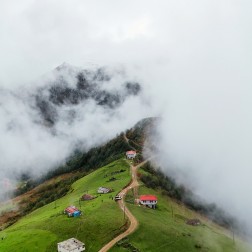
Kabardino-Balkaria
Kabardino-Balkaria is one of the Caucasus regions that instantly delivers scale: snowy summits, narrow gorges, waterfalls, and roads that feel dramatic from the first hour. For travelers, it works as both a classic Elbrus destination and a broader mountain route full of depth and atmosphere
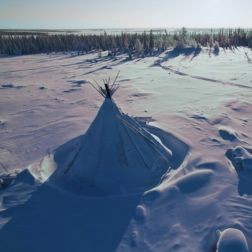
Yamal
Yamal is Russia’s Arctic Circle story: Salekhard, Nenets reindeer culture, mammoth history, tundra and winter festivals
Komi
Komi is for travelers who want deep northern nature: Syktyvkar, Finno-Ugric culture, virgin forests and Manpupuner