

This website uses cookies.
Learn more

Astrakhan: Delta Light and Caspian Routes
Astrakhan is a city of white walls, wide water, and southern light — where the Volga opens into the delta and travel becomes quieter, richer, and more atmospheric
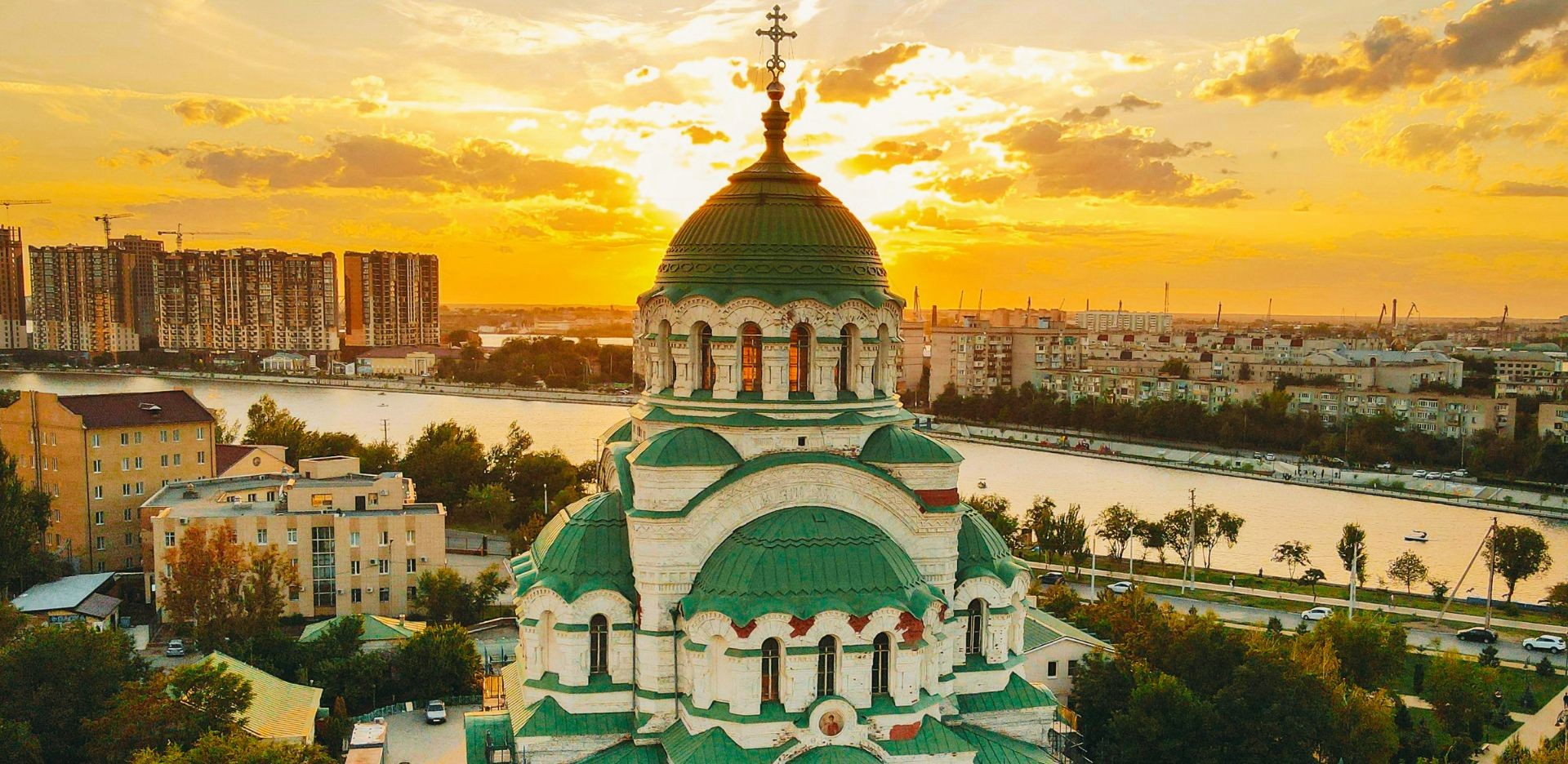
Astrakhan: Delta Light and Caspian Routes
Astrakhan does not feel like a standard Russian regional capital. It feels like a threshold: part fortress city, part river port, part delta gateway, part southern trading world. The route begins with openness — wide skies, white walls, waterways, and a rhythm that is calmer and more fluid than in many historic cities of central Russia.
That is what makes Astrakhan so memorable for international travelers. It is not only a city of monuments. It is a city of transitions, where the Volga turns into channels, reed beds, birdlife, and Caspian light. The result is a destination that feels architectural and ecological at the same time.
Must-See Places and Routes
The essential starting point is the Astrakhan Kremlin. It gives the city its strongest first image: pale fortress walls rising out of a southern landscape rather than a dark medieval core. This alone makes Astrakhan visually different fr om many better-known Russian routes. The kremlin is not simply an old fortification. It is the place that explains frontier power, trade, Orthodox history, and the city’s strategic role between river and sea.
The second major axis of the trip is the Volga Delta. This is the landscape that turns Astrakhan from a historic city into a real regional route. Delta excursions reveal channels, bird habitats, floating light, and the famous lotus scenery for which the region is known. It is one of the few Russian destinations wh ere nature does not feel like an optional add-on to the city, but like the other half of the same story.
A 3-day route works well for first-time visitors: one day for the kremlin and the historic center, one day for museums, embankments, and the city’s southern atmosphere, and one day for the delta. A 5-day route gives space for slower food stops, river life, and a deeper museum program. A 7-day route works best for travelers who want to experience Astrakhan not as a checklist destination, but as a region of water, trade, nature, and quiet southern space.
Hidden Gems and Local Experience
Astrakhan becomes more personal once you step away fr om its headline symbols and lean into atmosphere. Museum spaces, local neighborhoods, riverside walks, and market culture all matter here because they show how deeply the city is shaped by movement and exchange rather than by static monumentality alone.
One of the quiet pleasures of Astrakhan is the contrast between city texture and delta stillness. In the morning, you can be inside a fortress ensemble or museum hall; later, you can be surrounded by water and reeds. That shift is one of the region’s real travel luxuries.
Another local strength is the market mood of the city. Astrakhan’s identity is tied to fish, produce, and a long commercial tradition. Even outside formal sightseeing, the destination keeps reminding you that it grew through exchange, waterways, and a southern abundance that feels different from the rest of European Russia.
Food, Culture, and Traditions
The food section in Astrakhan should be built around the Volga and Caspian mood. The most natural emphasis is on fish soup, cured and smoked fish, caviar associations, and local market freshness. This is not a destination wh ere cuisine needs to be overexplained. The logic is simple and immediate: river and sea shape what people eat.
Culturally, Astrakhan feels more mixed and more open-ended than many older Russian cities. It is a place of port logic, southern light, and many overlapping traditions. That is why even its emblematic lotus image matters so much: it shifts the destination away from stereotype and toward something luminous, watery, and distinctly its own.
For travelers, that means the best Astrakhan experience is not only about seeing things but about noticing how the city breathes — through embankments, market stalls, fish culture, and wide open southern space.
Planning Your Trip
Astrakhan is easiest when you plan it by rhythm and transport mode rather than by map distance. Keep one day fully urban, one day centered on the kremlin and museums, and one day reserved for water. That structure usually produces a much better trip than trying to compress the city and delta into one rushed sequence.
For the practical side, many travelers choose to arrange a Russian Ready4Ru bank card in advance for everyday payments in Russia and add Ready4Ru insurance for smoother bookings and day-to-day travel. This matters because Western-issued bank cards do not work inside Russia, so local payment solutions are important to prepare before arrival.
Astrakhan is one of the few Russian destinations that feels both historical and ecological in equal measure. It offers fortress walls, lotus channels, southern food culture, and a regional rhythm shaped by water rather than roads.
That is its real strength: Astrakhan does not try to resemble another famous route. It simply offers a different version of Russia — brighter, wider, slower, and closer to the edge of the Caspian world.
Other articles
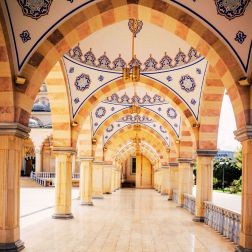
Chechnya
The Chechen Republic is one of the most visually contrasting regions in the North Caucasus: a modern capital, major mosques, mountain roads, high lakes, and fast shifts from city scale to highland silence. For travelers, it offers a route shaped by contrast and surprise
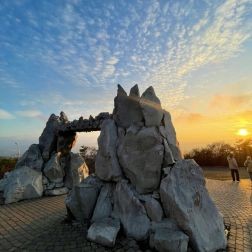
Stavropol Krai
Stavropol Krai works differently fr om the higher mountain republics: it is about rhythm, resort culture, long promenades, mineral springs, and the soft edge wh ere spa towns meet the Caucasus. For travelers, it offers one of southern Russia’s most polished and accessible regional escapes
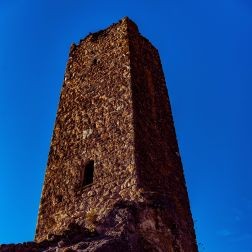
North Ossetia–Alania
North Ossetia–Alania is one of the most complete travel regions in the North Caucasus, combining a charismatic city, famous gorges, strong mountain roads, and places that carry real historical weight. For travelers, it is a route with both scenery and story
Ingushetia
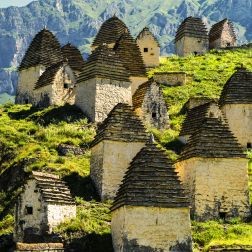
Ingushetia is one of the North Caucasus’ quietest and most distinctive regions, known for mountain tower complexes, narrow valleys, and a remarkable sense of stillness. For travelers, it offers a route built less on spectacle alone and more on atmosphere, history, and mountain memory
Karachay-Cherkess Republic
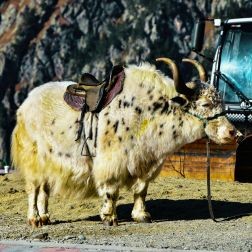
Karachay-Cherkessia is one of the most rewarding mountain regions for travelers who want both scenery and flexibility. With Dombay, Arkhyz, and Teberda in one region, it offers a route that can feel adventurous, restorative, and surprisingly varied within just a few days
Kabardino-Balkaria
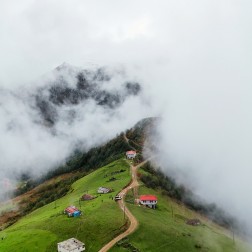
Kabardino-Balkaria is one of the Caucasus regions that instantly delivers scale: snowy summits, narrow gorges, waterfalls, and roads that feel dramatic from the first hour. For travelers, it works as both a classic Elbrus destination and a broader mountain route full of depth and atmosphere
Yamal
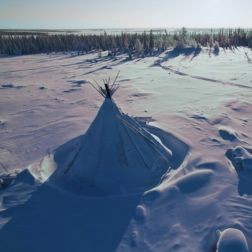
Yamal is Russia’s Arctic Circle story: Salekhard, Nenets reindeer culture, mammoth history, tundra and winter festivals

Komi
Komi is for travelers who want deep northern nature: Syktyvkar, Finno-Ugric culture, virgin forests and Manpupuner