

This website uses cookies.
Learn more

Arkhangelsk: Wooden North - White Sea Light
Explore Arkhangelsk Oblast through old northern villages, White Sea landscapes, Solovetsky history and the calm power of Russia’s Arctic edge — a route for travelers who want culture, nature and a real sense of discovery
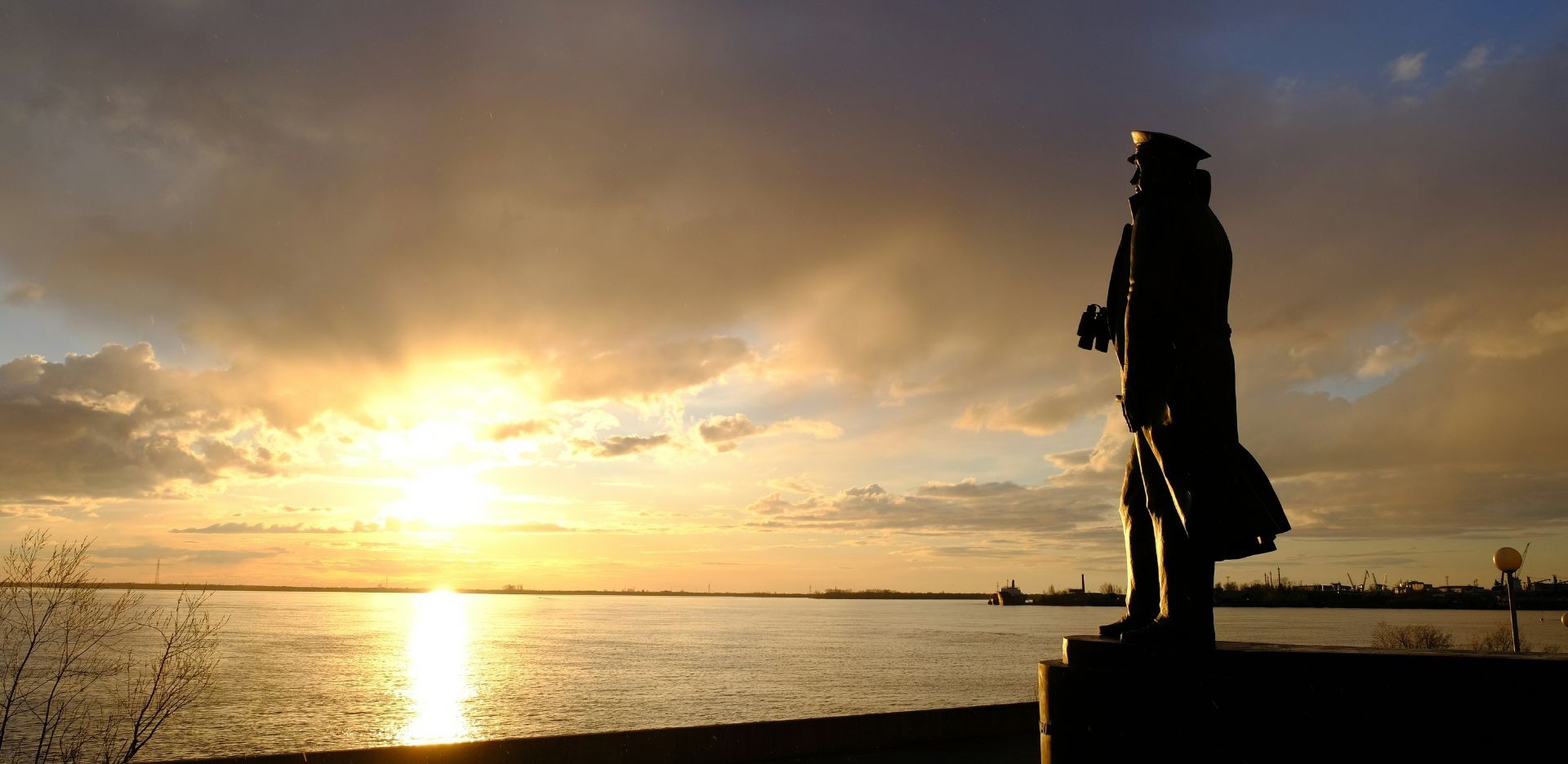
Arkhangelsk: White Sea Light, Wooden Architecture and the Living Russian North
Arkhangelsk is not a city that tries to impress with polished postcard beauty. It works differently. The Northern Dvina is wide and slow, the sky feels higher than in central Russia, and the city keeps the memory of shipyards, merchants, Pomor families and expeditions that once looked toward the White Sea and the Arctic. For international travelers, this is one of the most atmospheric entries into the Russian North: urban enough to be comfortable, northern enough to feel like another world.
Must-see places
Start with the Northern Dvina embankment. It gives Arkhangelsk its rhythm: ships, wind, long horizons and the feeling that the city is still listening to the sea. Walk Chumbarova-Luchinskogo Avenue for wooden houses, small museums and a softer city mood. The open-air museum Malye Korely is the essential half-day trip: wooden churches, bell towers, windmills and peasant houses moved fr om villages of the region and rebuilt as a landscape of northern architecture. The museum is especially strong in winter, when snow makes the wooden silhouettes sharper and more graphic.
Beyond the city
Arkhangelsk is also a base for deeper journeys. Solovetsky Islands are the great White Sea pilgrimage: monastery walls, sketes, canals, dark history and severe beauty. Kenozero National Park is a different kind of treasure: lakes, chapels, wooden villages and a cultural landscape that feels protected fr om the noise of modern life. Since Kenozero became a UNESCO World Heritage cultural landscape, it is even more important to present it carefully: not as an Instagram stop, but as a living rural world that needs respectful travel.
Hidden gems and local experience
Look for Pomor details: carved window frames, local fish dishes, sea stories, small churches on the embankment, northern dialect words and crafts made from birch bark or wood. In museums, pay attention not only to grand historical dates but to everyday objects: sledges, nets, icons, tools and household textiles. They explain the region better than any monument. If travelers have time, Pinega caves and northern forests add a wilder nature layer, while Kargopol opens another chapter of old Russian architecture.
Culture, food and mood
Arkhangelsk food is built around river and sea: fish soup, cod, northern berries, mushrooms, rye bread and simple, filling dishes for cold weather. The region’s visual identity is clean and strong: grey-blue water, white churches, black timber, red details, pale winter sun. The best writing angle for this destination is not luxury; it is authenticity, scale and silence. Arkhangelsk is for travelers who want to feel the Russian North instead of only checking sights.
3 / 5 / 7-day routes
- 3 days: spend the first day on the embankment, local museums and Chumbarova-Luchinskogo Avenue; dedicate the second day to Malye Korely; use the third day for a slower city walk, local food and a sunset by the Northern Dvina.
- 5 days: add a trip toward Severodvinsk and the White Sea coast, or choose a guided nature excursion if the season is suitable.
- 7 days: build a stronger route around Solovki in summer or Kenozero/Kargopol for heritage and wooden architecture. Do not overload the route: northern distances and weather make slow planning smarter.text....
Planning your trip
Arkhangelsk is usually reached by air or train from Moscow or St. Petersburg. Summer gives White Sea access and longer outdoor days; winter gives snow, northern light, theatre-like wooden architecture and a stronger Arctic atmosphere. Foreign travelers should check transport schedules in advance, keep flexible time for weather changes, and avoid planning remote places without local operators. For payments, domestic websites, hotels and local services may be easier with a Russian payment solution arranged before arrival.
Useful Ready4Ru links for travelers: Apply for a Russian bank card, top up a Russian bank card, and arrange travel insurance.
Arkhangelsk is a practical example of why travelers to Russia need preparation. A visitor may book flights internationally, but then face Russian-only payment pages, local transport rules and cashless services inside the country. Ready4Ru can be naturally positioned here as a planning companion: a Russian bank card for smoother ruble payments and travel insurance for a route wh ere weather, distances and regional logistics matter.
Arkhangelsk is not a quick city break. It is a northern threshold. It opens the door to Pomor culture, wooden architecture, White Sea islands and landscapes wh ere history is stored in timber, water and wind.
Best time to visit
Summer is the most flexible season for Arkhangelsk because travelers can connect city walks with the White Sea, Solovki and river routes. Late spring and early autumn are quieter and good for photography, though some water routes become less predictable. Winter is visually powerful: wooden architecture, snow, low light and frozen river scenes make the city feel like a northern film set. The best editorial advice is to choose the season by purpose: summer for islands and mobility, winter for atmosphere, museums and Malye Korely under snow.
What makes it different
Arkhangelsk differs from other northern destinations because it is both a city and a threshold. Vologda gives polished heritage; Murmansk gives Arctic energy; Karelia gives lakes and islands. Arkhangelsk gives the idea of departure: rivers flowing to the White Sea, ships, Pomor memory, wooden villages and routes that can expand toward Solovki or Kenozero. This makes it ideal for an article that feels cinematic and slightly austere. Use words such as White Sea, Pomor, Northern Dvina, wooden architecture and Russian North throughout the copy, but keep them natural so the page reads like a travel guide, not a keyword list.
Other articles
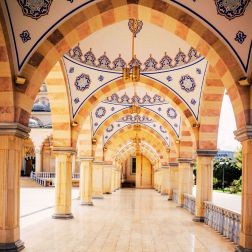
Chechnya
The Chechen Republic is one of the most visually contrasting regions in the North Caucasus: a modern capital, major mosques, mountain roads, high lakes, and fast shifts from city scale to highland silence. For travelers, it offers a route shaped by contrast and surprise
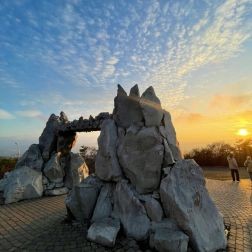
Stavropol Krai
Stavropol Krai works differently fr om the higher mountain republics: it is about rhythm, resort culture, long promenades, mineral springs, and the soft edge wh ere spa towns meet the Caucasus. For travelers, it offers one of southern Russia’s most polished and accessible regional escapes
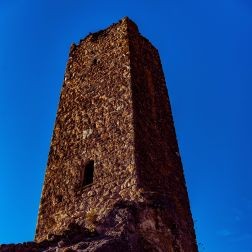
North Ossetia–Alania
North Ossetia–Alania is one of the most complete travel regions in the North Caucasus, combining a charismatic city, famous gorges, strong mountain roads, and places that carry real historical weight. For travelers, it is a route with both scenery and story
Ingushetia
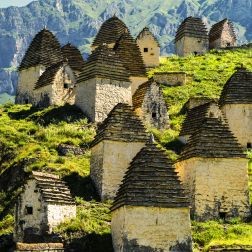
Ingushetia is one of the North Caucasus’ quietest and most distinctive regions, known for mountain tower complexes, narrow valleys, and a remarkable sense of stillness. For travelers, it offers a route built less on spectacle alone and more on atmosphere, history, and mountain memory
Karachay-Cherkess Republic
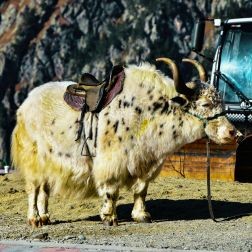
Karachay-Cherkessia is one of the most rewarding mountain regions for travelers who want both scenery and flexibility. With Dombay, Arkhyz, and Teberda in one region, it offers a route that can feel adventurous, restorative, and surprisingly varied within just a few days
Kabardino-Balkaria
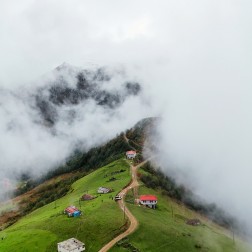
Kabardino-Balkaria is one of the Caucasus regions that instantly delivers scale: snowy summits, narrow gorges, waterfalls, and roads that feel dramatic from the first hour. For travelers, it works as both a classic Elbrus destination and a broader mountain route full of depth and atmosphere
Yamal
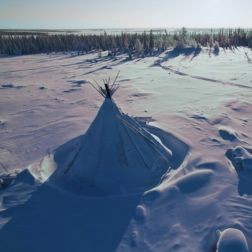
Yamal is Russia’s Arctic Circle story: Salekhard, Nenets reindeer culture, mammoth history, tundra and winter festivals
Komi
Komi is for travelers who want deep northern nature: Syktyvkar, Finno-Ugric culture, virgin forests and Manpupuner