

This website uses cookies.
Learn more

Amur Region Travel Guide: Rivers and Wild Nature
A border river, wide skies and a city that looks across to China: Amur Region is one of Russia’s most intriguing Far Eastern journeys
Inspiration & Must-See
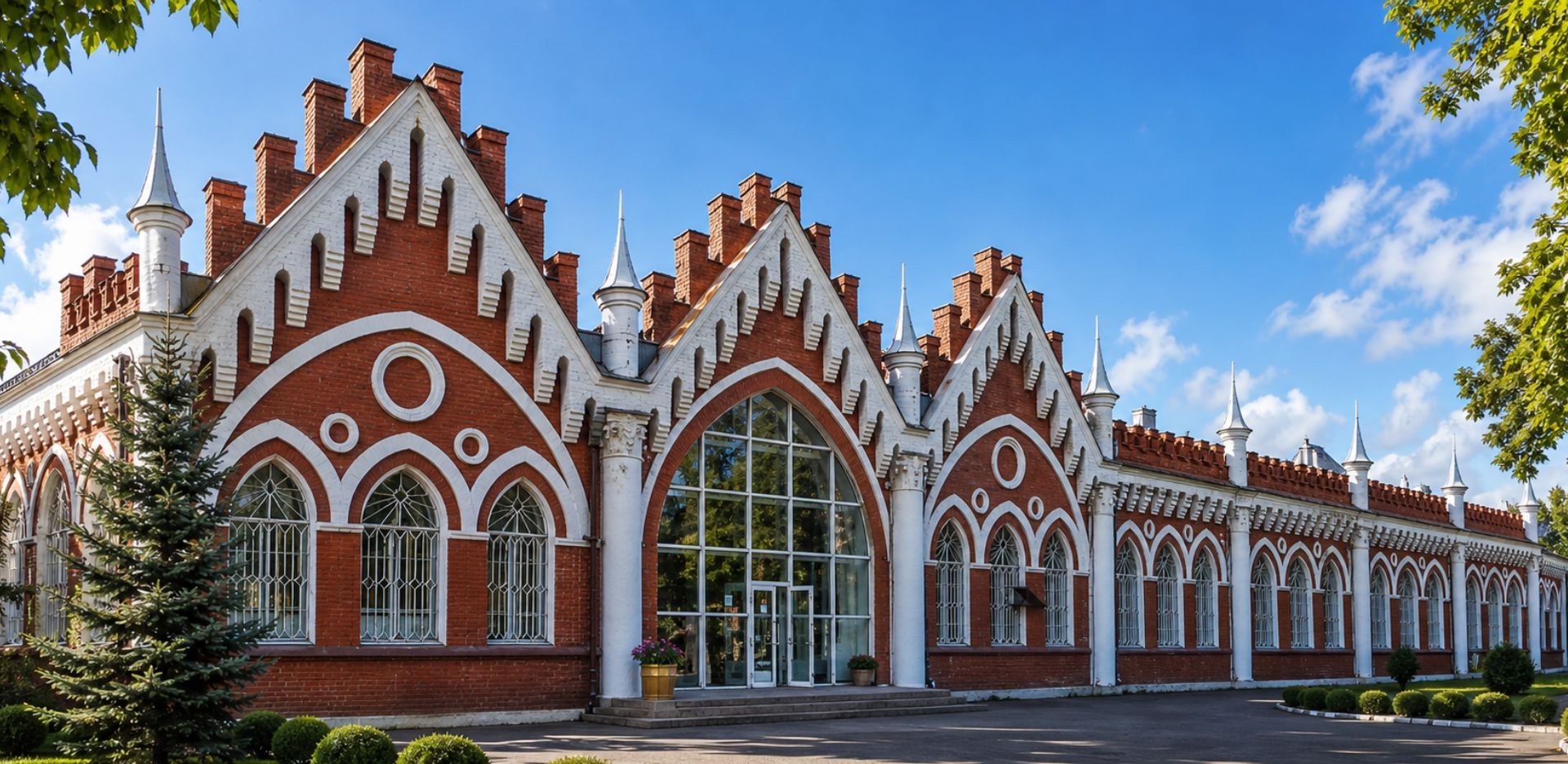
Amur Region is not a destination that shouts. It opens slowly: first through the wide waterline of the Amur River, then through the long embankment of Blagoveshchensk, then through the feeling that you are standing at one of Russia’s most symbolic borders. Across the river lies Heihe in China, close enough to see its skyline, lights and riverfront rhythm. This geography gives the region its special atmosphere: Russian provincial calm, Asian proximity and a frontier mood that feels different fr om central Russia.
Blagoveshchensk is the natural starting point. The city is compact, walkable and surprisingly elegant for a Far Eastern route. Its river embankment is the main stage: people come here for evening walks, views, photographs and the quiet thrill of seeing another country just across the water. The old merchant streets, pre-revolutionary brick buildings, churches and small museums give the city a human scale. It is not a museum city; it is a working city with memory, river air and long horizons.
The second major idea of the region is space. The Vostochny Cosmodrome has turned Amur Region into one of the most important places in modern Russian space infrastructure. Access for travelers depends on rules, security and organized formats, so it should be treated as a planning topic rather than a casual stop. Even when a full visit is not possible, the theme gives the region a unique story: the Far East as a launch point, not only a remote edge.
Nature here is broad and understated. The region has river valleys, taiga edges, steppe-like open spaces, reserves and quiet roads wh ere the scale of Siberia becomes visible. Travelers who like slow landscapes, rail journeys and border geography will find Amur Region more memorable than a classic checklist destination.
Hidden Gems & Local Experience
The best local experience in Amur Region is to slow down on the embankment at different times of day. Morning gives soft river light; sunset turns the opposite bank into silhouettes; evening adds city lights and a border-town atmosphere. Small cafes, local markets and side streets around the center help the city feel less like a transit point and more like a lived-in place.
For a deeper route, look beyond Blagoveshchensk toward small settlements, river viewpoints and nature areas. The value is not one single famous monument, but the feeling of distance: open roads, low horizons, forests, fields and railway towns that remind you how large Russia becomes east of the Urals.
Culture, Food & Traditions
Amur Region combines Russian Far Eastern life with strong cross-border influence. Expect river fish, simple hearty food, Siberian-style soups, dumplings, baked goods and cafes that reflect Asian proximity without losing a Russian base. The cultural rhythm is practical and unpretentious: people value directness, weather awareness and distance management. For international travelers, this is part of the experience: the region teaches you to think in kilometers, seasons and daylight.
3/5/7-Day Routes
- 3 days: spend two full days in Blagoveshchensk, focusing on the Amur embankment, historic streets, churches, local museums and evening river views. Use the third day for a relaxed excursion outside the center or a themed space/history visit if available.
- 5 days: add a wider regional loop. Keep Blagoveshchensk as the base, then include nature viewpoints, smaller towns and a slower day for markets, food and photography. This route suits travelers who want atmosphere rather than constant movement.
- 7 days: build a Far Eastern border-and-space itinerary. Combine Blagoveshchensk, river landscapes, regional museums, one or two nature days, and a carefully planned cosmodrome-related experience where access rules allow. Leave buffer time: distances and weather can change the rhythm.
Planning Your Trip
Amur Region is best planned as a slow border-and-river trip, not a rushed checklist. Choose Blagoveshchensk as your base, confirm opening times for museums and organized access for any space-related experiences, and avoid tight same-day connections after long flights or train segments. Summer and early autumn are usually the easiest seasons for city walks and river views; winter gives a sharper Siberian atmosphere but requires warmer clothing and more conservative timing.
For international travelers, payment planning matters because many foreign cards do not work reliably inside Russia. Before arrival, arrange a Ready4Ru bank card for local RUB payments, taxis, cafes, domestic bookings and day-to-day purchases. Add Ready4Ru travel insurance before the trip so medical and travel assistance are covered while you explore the region.
Other articles
Chechnya
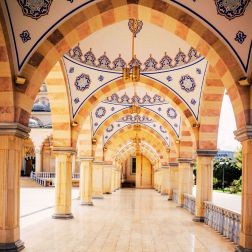
The Chechen Republic is one of the most visually contrasting regions in the North Caucasus: a modern capital, major mosques, mountain roads, high lakes, and fast shifts from city scale to highland silence. For travelers, it offers a route shaped by contrast and surprise
Stavropol Krai
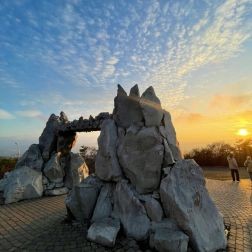
Stavropol Krai works differently fr om the higher mountain republics: it is about rhythm, resort culture, long promenades, mineral springs, and the soft edge wh ere spa towns meet the Caucasus. For travelers, it offers one of southern Russia’s most polished and accessible regional escapes
North Ossetia–Alania
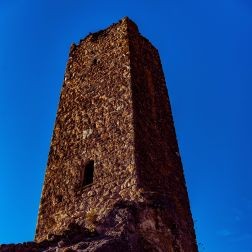
North Ossetia–Alania is one of the most complete travel regions in the North Caucasus, combining a charismatic city, famous gorges, strong mountain roads, and places that carry real historical weight. For travelers, it is a route with both scenery and story
Ingushetia
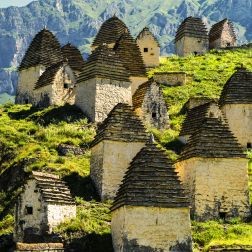
Ingushetia is one of the North Caucasus’ quietest and most distinctive regions, known for mountain tower complexes, narrow valleys, and a remarkable sense of stillness. For travelers, it offers a route built less on spectacle alone and more on atmosphere, history, and mountain memory
Karachay-Cherkess Republic
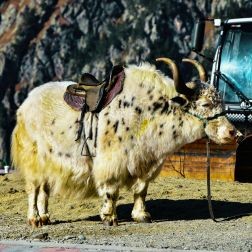
Karachay-Cherkessia is one of the most rewarding mountain regions for travelers who want both scenery and flexibility. With Dombay, Arkhyz, and Teberda in one region, it offers a route that can feel adventurous, restorative, and surprisingly varied within just a few days
Kabardino-Balkaria
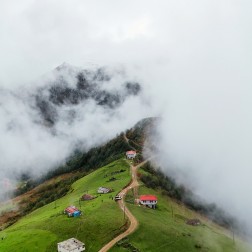
Kabardino-Balkaria is one of the Caucasus regions that instantly delivers scale: snowy summits, narrow gorges, waterfalls, and roads that feel dramatic from the first hour. For travelers, it works as both a classic Elbrus destination and a broader mountain route full of depth and atmosphere
Yamal
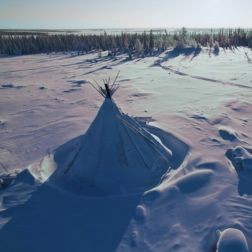
Yamal is Russia’s Arctic Circle story: Salekhard, Nenets reindeer culture, mammoth history, tundra and winter festivals

Komi
Komi is for travelers who want deep northern nature: Syktyvkar, Finno-Ugric culture, virgin forests and Manpupuner