

This website uses cookies.
Learn more

Altai Krai: Siberia’s Soft Adventure Route
Altai Krai is the gentler gateway to Siberian mountains: spa towns, ancient caves, river valleys and long roads into open green country
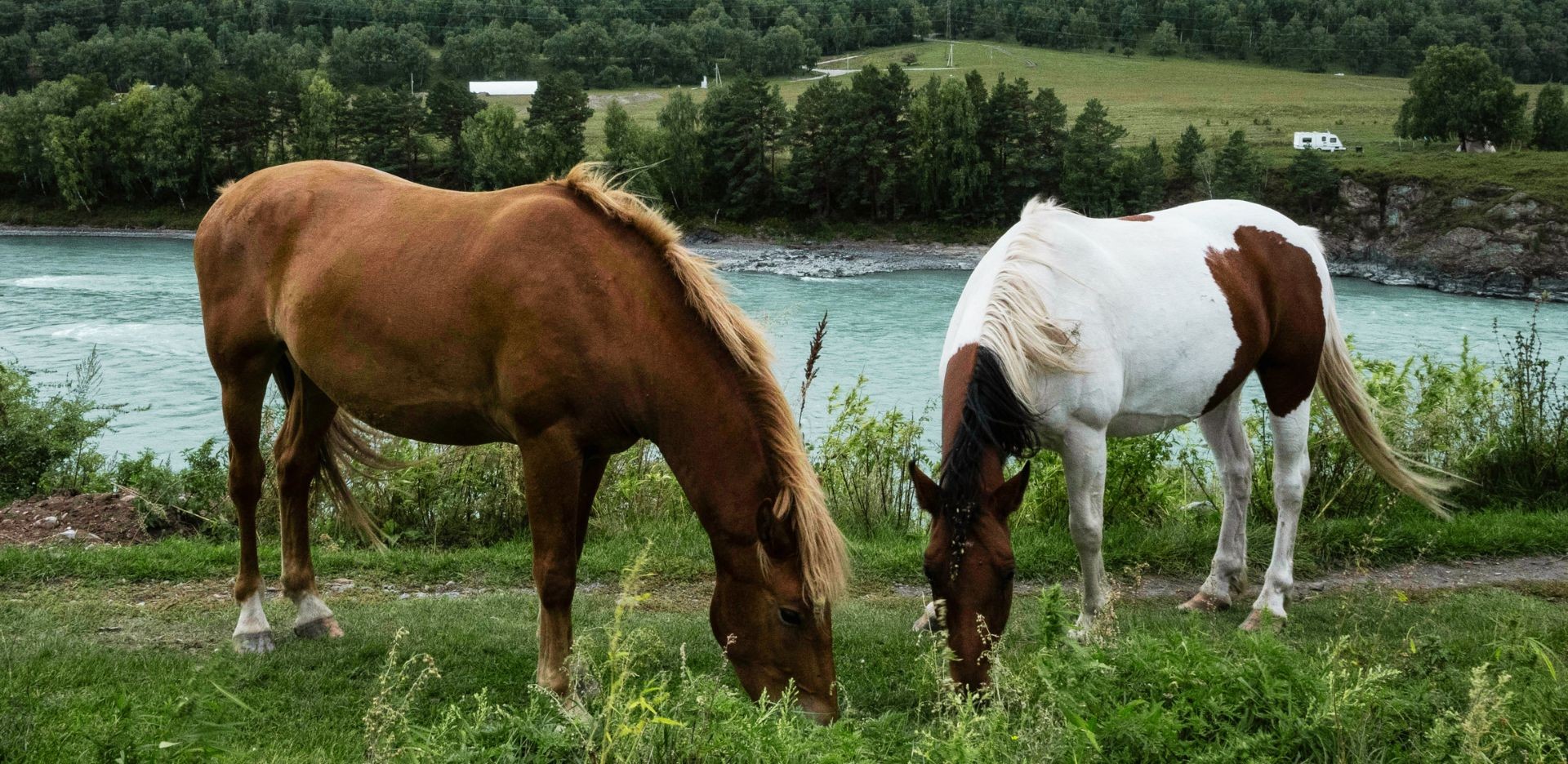
Altai Krai: Siberia’s Soft Adventure Route
Altai Krai is often confused with the neighbouring Republic of Altai, but for travelers it has its own clear identity. It is the easier, softer entrance into the Altai world: less extreme than high mountain expeditions, more comfortable for first-time visitors, and rich in landscapes that shift from wheat fields to river valleys, forested foothills and resort towns. For international guests, this region works well as a bridge between classic Siberian cities and the wilder Altai Mountains. You can start with Barnaul, add a wellness pause in Belokurikha, and continue toward caves, waterfalls and road viewpoints without turning the whole trip into a survival expedition.
Inspiration & Must-See Places
Barnaul is the natural starting point. It has merchant-era streets, Soviet monumental corners, riverside views and museums that explain why Altai has always been connected with mining, trade and migration. The city is not a polished postcard; its charm is in contrasts: old brick facades, wide Siberian avenues, quiet courtyards and a sense of distance from the European part of Russia. For a first walk, focus on the historical center, the Ob River embankment and local museums rather than trying to “cover everything” in a hurry. Barnaul gives the context; the region gives the emotion. Belokurikha is the second anchor. It is known as a resort town, with mountain air, sanatorium culture, forested hills and a slower rhythm that suits travelers who want nature without rough logistics. From there, routes open toward Mount Tserkovka, the foothills and scenic drives. The real intellectual magnet is Denisova Cave, one of the most important archaeological places in the wider Altai area. It is not just a cave stop for photos: it connects the region to deep human history, ancient cultures and scientific discoveries. Seasonal access and excursion rules should be checked before planning, because the cave is not a casual all-weather attraction. Around the Soloneshensky and Charysh areas, the mood becomes more cinematic: roads bend through valleys, cliffs appear over rivers, and the landscape starts to feel like a preview of the mountain Altai. The Shinok waterfalls area, Tavdinsky Caves and Biryuzovaya Katun routes can be combined depending on time, road conditions and the travel season.
Hidden Gems & Local Experience
The best part of Altai Krai is not one single landmark, but the way small places build a complete travel feeling. Stop in villages, look for local honey, herbal teas, cheese, berries and craft markets. Choose a guesthouse with a view rather than a generic hotel when you leave Barnaul. A good local experience is a slow morning in Belokurikha, a walk in the forest after breakfast, then an afternoon drive to a viewpoint rather than a packed checklist. If you travel with a guide, ask for stories about the old mining routes, Old Believer settlements and local legends. This makes the region warmer and less anonymous. Photographers should plan for early morning and late afternoon: the light on fields, wooden houses and low mountains is often more memorable than midday views.
Culture, Food & Traditions
Food in Altai Krai is hearty, practical and closely tied to farms. Look for local cheeses, honey, berry preserves, herbal infusions, meat pies, fish dishes and simple village-style meals. The region also has a strong wellness language: mineral water, baths, forest walks and sanatorium treatments are part of the travel culture. For foreign visitors, this is a useful angle. Altai Krai is not only “adventure”; it can be positioned as recovery after Moscow, St. Petersburg or a long Trans-Siberian segment. The cultural tone is calm and grounded: people may not sell the region loudly, but they often know their landscapes with pride.
3/5/7-day routes
- 3 days: Day 1 — arrive in Barnaul, walk the historical center, visit a museum and enjoy the Ob River area. Day 2 — drive to Belokurikha, take a forest walk, use spa or thermal-style wellness facilities, and go up to a viewpoint if weather allows. Day 3 — return through scenic foothill roads with stops for local products and short nature walks.
- 5 days: add a full day for Belokurikha and Mount Tserkovka, then continue toward the Soloneshensky district or another foothill route with a guesthouse overnight. This creates a richer balance between city, wellness and landscape.
- 7 days: build a circular route from Barnaul to Belokurikha, Denisova Cave area, river valleys and Tavdinsky or Biryuzovaya Katun stops, leaving one flexible day for road conditions. In Altai Krai, flexibility is not a weakness; it is the right way to travel.
Planning Your Trip: Logistics, Money & Safety
Barnaul is the most convenient entry point, with rail and air connections, while many natural places require a car, driver or organized transfer. Distances look manageable on a map but can feel long because roads, weather and rural services vary. Summer and early autumn are the easiest seasons for first-time international travelers; winter is atmospheric but requires more local support. Mobile coverage may become uneven outside towns, so keep offline maps, hotel contacts and emergency numbers saved. For payments, plan ahead: many domestic services, small hotels, cafes and transport options inside Russia work most smoothly with a local payment method. Ready4Ru can be naturally introduced here through a bank card for payments in Russia and insurance for travel protection before arrival. This is especially useful for guests who do not want to depend only on cash while moving between cities, resorts and rural attractions.
Altai Krai is not the wildest version of Altai, and that is exactly why it deserves its own article. It is accessible, restorative and full of quiet Siberian texture. For a traveler building confidence in Russia beyond the capitals, it offers a rare combination: a real city, a wellness route, archaeological depth and landscapes that open gradually rather than overwhelming at once.
Other articles
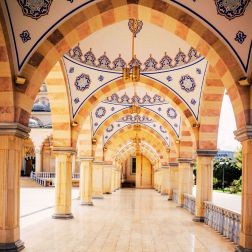
Chechnya
The Chechen Republic is one of the most visually contrasting regions in the North Caucasus: a modern capital, major mosques, mountain roads, high lakes, and fast shifts from city scale to highland silence. For travelers, it offers a route shaped by contrast and surprise
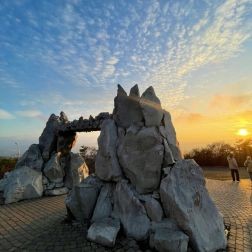
Stavropol Krai
Stavropol Krai works differently fr om the higher mountain republics: it is about rhythm, resort culture, long promenades, mineral springs, and the soft edge wh ere spa towns meet the Caucasus. For travelers, it offers one of southern Russia’s most polished and accessible regional escapes
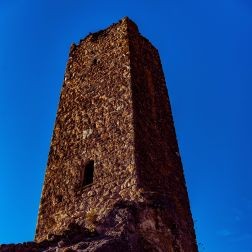
North Ossetia–Alania
North Ossetia–Alania is one of the most complete travel regions in the North Caucasus, combining a charismatic city, famous gorges, strong mountain roads, and places that carry real historical weight. For travelers, it is a route with both scenery and story
Ingushetia
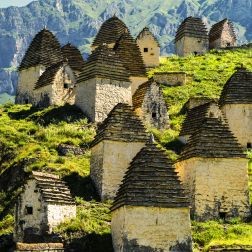
Ingushetia is one of the North Caucasus’ quietest and most distinctive regions, known for mountain tower complexes, narrow valleys, and a remarkable sense of stillness. For travelers, it offers a route built less on spectacle alone and more on atmosphere, history, and mountain memory
Karachay-Cherkess Republic
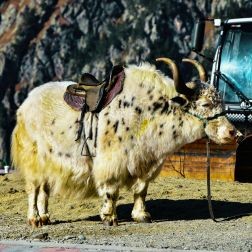
Karachay-Cherkessia is one of the most rewarding mountain regions for travelers who want both scenery and flexibility. With Dombay, Arkhyz, and Teberda in one region, it offers a route that can feel adventurous, restorative, and surprisingly varied within just a few days
Kabardino-Balkaria
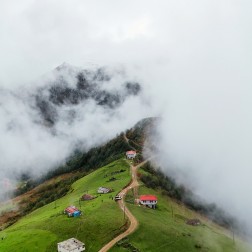
Kabardino-Balkaria is one of the Caucasus regions that instantly delivers scale: snowy summits, narrow gorges, waterfalls, and roads that feel dramatic from the first hour. For travelers, it works as both a classic Elbrus destination and a broader mountain route full of depth and atmosphere
Yamal
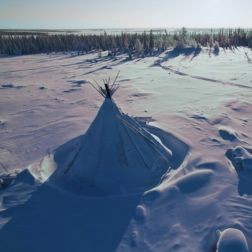
Yamal is Russia’s Arctic Circle story: Salekhard, Nenets reindeer culture, mammoth history, tundra and winter festivals
Komi
Komi is for travelers who want deep northern nature: Syktyvkar, Finno-Ugric culture, virgin forests and Manpupuner