

This website uses cookies.
Learn more

Udmurtia: Izhevsk, Tchaikovsky and Local Culture
A compact republic where music, Udmurt traditions, wooden architecture, river towns and Izhevsk’s urban rhythm create a gentle cultural journey
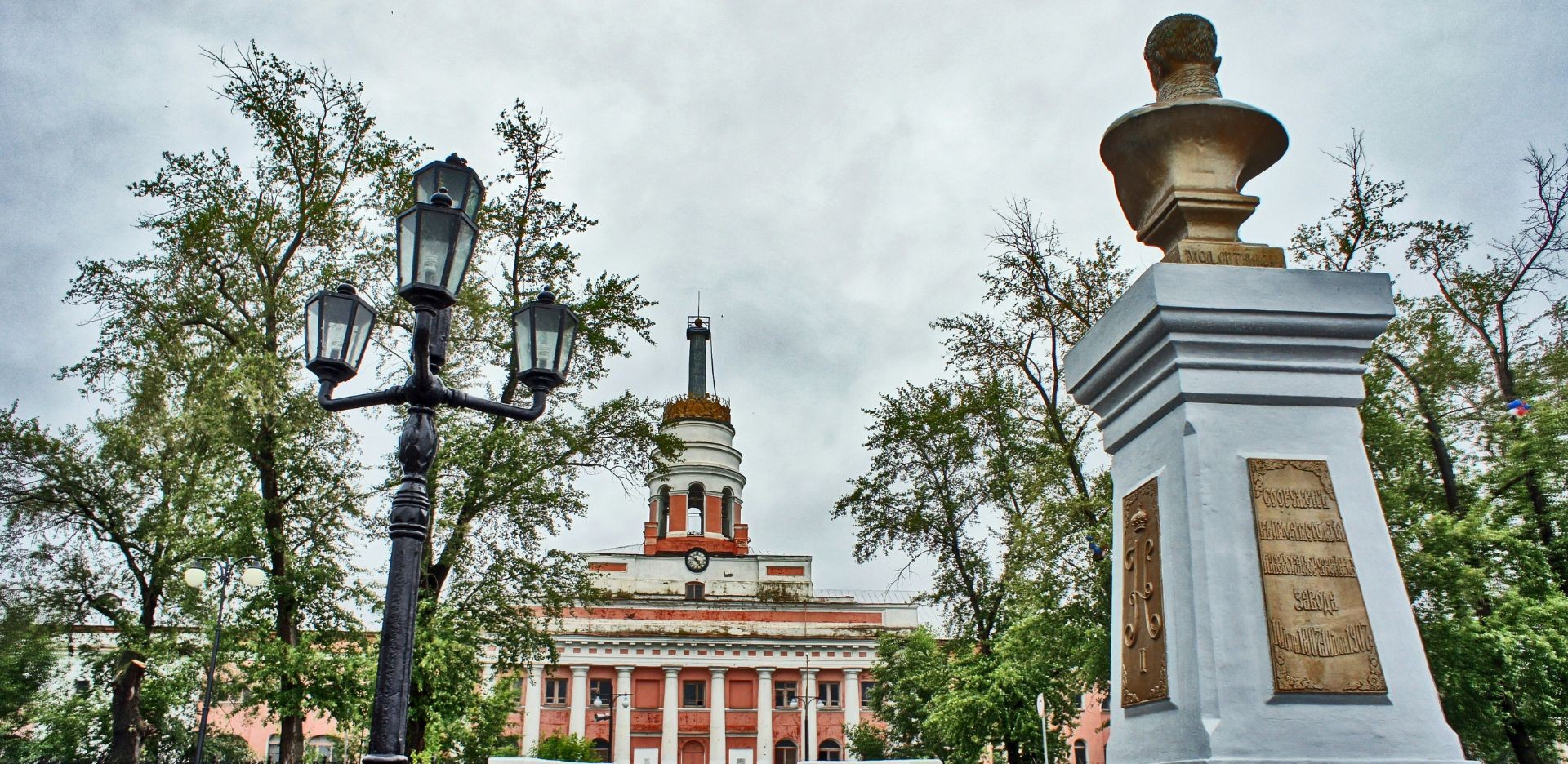
Udmurtia: Izhevsk, Tchaikovsky and Local Culture
Udmurtia is one of Russia’s most human-scale cultural routes. It does not overwhelm travelers with famous landmarks, but it offers a warm and distinctive experience: Izhevsk and its pond, Udmurt traditions, wooden architecture, Votkinsk as the birthplace of Pyotr Tchaikovsky, and Sarapul with its old merchant atmosphere on the Kama River. For international visitors, Udmurtia is interesting because it feels personal. The region is compact enough for a few days, but varied enough to build a full itinerary around music, local food, ethnography, provincial architecture and everyday Russian life.Inspiration & Must-See Places
Start in Izhevsk. The city is known for its large pond, central squares, St. Michael’s Cathedral and museums. The M. T. Kalashnikov Museum is one of the most visited sites, but it should be presented as part of industrial and technical history rather than as a simple attraction. Walk along the pond area, explore the central streets and leave time for cafés; Izhevsk is more pleasant when you do not rush.
Ludorvai Architectural and Ethnographic Museum is essential for understanding Udmurtia beyond the capital. This open-air museum shows traditional buildings, rural life and the relationship between landscape, architecture and identity. Votkinsk is another must-see because of the Tchaikovsky Museum-Estate. It gives the region an international cultural link: the childhood world of one of the world’s most famous composers. Sarapul completes the triangle. Its merchant houses, river views and calmer atmosphere make it one of the most charming towns in the republic.
Together, these places create a route that is not loud but very coherent: Izhevsk, Udmurt village culture, music history and Kama river towns.
3/5/7-Day Routes
- 3 days: spend day one in Izhevsk, including the pond, cathedral and key museums. Use day two for Ludorvai and local cuisine. On day three, visit Votkinsk and the Tchaikovsky Museum-Estate.
- 5 days: add Sarapul and a slower Izhevsk day for markets, cafés and neighborhood walks. This version gives you both the cultural highlights and the small-town atmosphere that makes Udmurtia memorable.
- 7 days: build a full republic route: Izhevsk, Ludorvai, Votkinsk, Sarapul, nature or village experiences, and an extra day for music, theatre or seasonal festivals. A week lets travelers see Udmurtia not as a stopover, but as a gentle cultural region with its own voice.
Hidden Gems & Local Experience
The hidden gem of Udmurtia is local hospitality. Try to include a guided ethnographic experience, a craft workshop or a meal built around Udmurt dishes. Sarapul’s quiet streets reward slow walking, especially if you like old wooden details and merchant-era houses. In Izhevsk, look for viewpoints around the pond and informal places where locals spend time. The region’s charm is in small scenes: steam fr om hot pastries, wooden fences, music references, river light and the feeling that tourism has not erased everyday life. For a blog audience, this is also a good place to explain that Russia’s smaller republics are not secondary versions of Moscow or Kazan. They have their own pace, food memory and cultural codes, and Udmurtia lets a visitor notice them without difficult logistics.
Culture, Food & Traditions
Udmurt culture is central to the route. Listen for references to the Udmurt language, folk music, dress and festivals. Food is one of the easiest ways to connect with the region: try perepechi, small open pies with savory fillings, as well as soups, porridges, dairy products, mushrooms and berry dishes. Votkinsk adds a classical music layer through Tchaikovsky, while Izhevsk adds industrial and urban history. The result is a region wh ere culture is not a museum topic only; it is present in food, names, songs and domestic architecture.
Planning Your Trip
Udmurtia is good for travelers who prefer compact logistics. Izhevsk can be the base for Ludorvai, Votkinsk and Sarapul, although transport should be planned in advance. English may be limited, so use Russian addresses and offline maps. The best seasons are late spring, summer and early autumn, while winter gives a quieter but colder experience.
For payment inside Russia, prepare in advance. A Ready4Ru Russian bank card helps with taxis, cafés, museum tickets, domestic booking services and online payments. For regional transfers and a multi-day itinerary, arrange travel insurance for Russia before departure. Udmurtia is easy to love when small practical problems do not interrupt the journey.
Udmurtia’s uniqueness is its intimacy. It does not need a giant monument to become memorable. Instead, it offers a pond at sunset, a composer’s childhood home, an open-air village museum, warm pastries, quiet Sarapul streets and a culture that can still be felt in daily life. This is the right destination for travelers who want to feel invited rather than impressed. It is gentle, but not empty; modest, but not plain.
Best Season & Travel Style
Udmurtia is best fr om late spring through early autumn, when open-air museums, river towns and village experiences are easiest to enjoy. Winter can be charming, especially for travelers who like snow and quiet streets, but routes should be shorter. The republic is a good choice for families, culture-focused travelers and people who prefer gentle discovery over dramatic landscapes. It also works well as a second-level Russia route: after the famous capitals, Udmurtia shows how much meaning can be found in smaller regions.
Udmurtia is not a destination for travelers chasing only famous monuments. It is for those who appreciate music, local food, modest beauty, open-air museums and towns with personality. For Ready4Ru readers, it is a perfect region to show a softer, more intimate Russia — one wh ere culture is close, routes are manageable and every day has a different tone.
Other articles
Chechnya
The Chechen Republic is one of the most visually contrasting regions in the North Caucasus: a modern capital, major mosques, mountain roads, high lakes, and fast shifts from city scale to highland silence. For travelers, it offers a route shaped by contrast and surprise
Stavropol Krai
Stavropol Krai works differently fr om the higher mountain republics: it is about rhythm, resort culture, long promenades, mineral springs, and the soft edge wh ere spa towns meet the Caucasus. For travelers, it offers one of southern Russia’s most polished and accessible regional escapes
North Ossetia–Alania
North Ossetia–Alania is one of the most complete travel regions in the North Caucasus, combining a charismatic city, famous gorges, strong mountain roads, and places that carry real historical weight. For travelers, it is a route with both scenery and story
Ingushetia
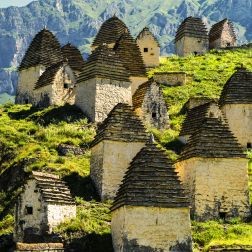
Ingushetia is one of the North Caucasus’ quietest and most distinctive regions, known for mountain tower complexes, narrow valleys, and a remarkable sense of stillness. For travelers, it offers a route built less on spectacle alone and more on atmosphere, history, and mountain memory
Karachay-Cherkess Republic
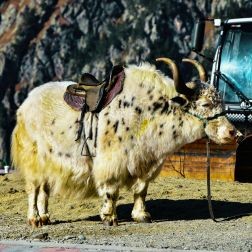
Karachay-Cherkessia is one of the most rewarding mountain regions for travelers who want both scenery and flexibility. With Dombay, Arkhyz, and Teberda in one region, it offers a route that can feel adventurous, restorative, and surprisingly varied within just a few days
Kabardino-Balkaria
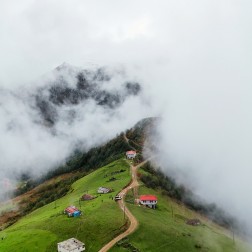
Kabardino-Balkaria is one of the Caucasus regions that instantly delivers scale: snowy summits, narrow gorges, waterfalls, and roads that feel dramatic from the first hour. For travelers, it works as both a classic Elbrus destination and a broader mountain route full of depth and atmosphere
Yamal
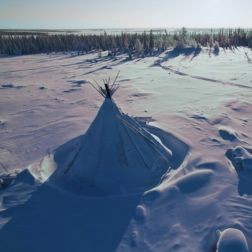
Yamal is Russia’s Arctic Circle story: Salekhard, Nenets reindeer culture, mammoth history, tundra and winter festivals
Komi
Komi is for travelers who want deep northern nature: Syktyvkar, Finno-Ugric culture, virgin forests and Manpupuner